La Fábrica
Inventiva
Join usES

FAUNA Guardianes / Cards / XIKNAL

The full deck · 79 cards

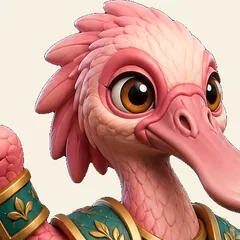
Illustrated portrait of XIKNAL

The 79 cards of XIKNAL, the roseate spoonbill

Territory: Wetland corridor.

At the table they come up one at a time and are read aloud. Here is the whole deck, to read at your own pace.

Read them in

“Available” does not always mean “reviewed by specialists”: we explain this in Behind every card.

On this page

Trivia · 19 cards

XIKNAL Trivia

A question with three answers, at three levels of difficulty. Everyone thinks it through together.

TRI-ESP-01 · THE SPOON-SHAPED BILL

Beginner

Why is this bird called a 'spoonbill'?

  1. For its wide, flat, spoon-like bill
  2. For its bright, eye-catching pink color
  3. For its sharp, loud, repeated call
See the answer

A. For its wide, flat, spoon-like bill

Its bill ends flat and wide, like a spoon or spatula.

Intermediate

How does it use that bill to feed?

  1. It sweeps it through the water and snaps shut on contact
  2. It jabs it deep into the soft mud and digs out roots
  3. It cracks hard shells open against a large stone
See the answer

A. It sweeps it through the water and snaps shut on contact

It sweeps shallow water and, the moment it touches prey, snaps the bill shut.

Advanced

What's the advantage of feeding by touch rather than sight?

  1. It catches far larger prey than other birds
  2. It uses far less energy while flying
  3. It can feed in murky water or at night
See the answer

C. It can feed in murky water or at night

Feeling with its bill, it finds food where sight would be no help.

★ It eats with the spoon, not with the eyes.

TRI-ESP-02 · WHY IS IT PINK?

Beginner

Where does the spoonbill get its pink color?

  1. It's born already pink
  2. From what it eats each day
  3. From the sun on the lagoon
See the answer

B. From what it eats each day

The pink comes from substances in its food, mainly shrimp.

Intermediate

If it lacks that food, what happens to its color?

  1. It turns a deeper pink
  2. It fades and turns pale
  3. It shifts to a bluish tone
See the answer

B. It fades and turns pale

Without the food that colors it, the pink washes out.

Advanced

Why does its color work as a signal of the wetland?

  1. It only reveals the bird's age, not the state of the water
  2. It depends only on how much it rained that year
  3. Strong pink means healthy water; pale means trouble
See the answer

C. Strong pink means healthy water; pale means trouble

The bird's color reveals, at a glance, the health of its lagoon.

★ Its pink is the receipt for a good table.

TRI-ESP-03 · IT'S NOT A FLAMINGO

Beginner

The roseate spoonbill is sometimes mistaken for...

  1. A flamingo, because of its pink color
  2. A crane, because of its long legs and neck
  3. A heron, because it wades in the water
See the answer

A. A flamingo, because of its pink color

Its pink gets it mistaken for a flamingo; cranes and herons resemble it only in being long-legged waders.

Intermediate

What quickly gives away that it's not a flamingo?

  1. That it also flies long distances every year
  2. That it too is a bird with long legs and neck
  3. Its flat, spoon-shaped bill, not a curved one
See the answer

C. Its flat, spoon-shaped bill, not a curved one

The spoon-shaped bill gives it away; the flamingo's is curved and quite different.

Advanced

What do they share, different as they are?

  1. That both are born with their bright pink
  2. That both use the same kind of nest
  3. That their pink comes from food, not from birth
See the answer

C. That their pink comes from food, not from birth

Both are colored pink by what they eat, each in its own way.

★ Pink like the flamingo, but no relation.

TRI-ESP-04 · THE YOUNG ARE PALE

Beginner

What color are young spoonbills?

  1. Pale, almost white
  2. A deep, bright red
  3. A dark, ash gray
See the answer

A. Pale, almost white

They start out pale and take on pink with age and diet.

Intermediate

What makes them pinker over time?

  1. Sunset reflected on the water
  2. Age and a good diet of shrimp
  3. The pink mud of the lagoon
See the answer

B. Age and a good diet of shrimp

With time and good food, the pink deepens.

Advanced

What would a group of very pale adults say about their lagoon?

  1. That the lagoon is brimming with healthy shrimp
  2. That something's wrong: little food or sick water
  3. That they're molting their feathers for the season
See the answer

B. That something's wrong: little food or sick water

Colorless adults raise an alarm about the wetland.

★ Pink is earned by eating well and growing older.

TRI-ESP-05 · ALL NESTING TOGETHER

Beginner

How do spoonbills nest?

  1. Alone and very well hidden
  2. Each pair in its own nest
  3. In a colony, many together
See the answer

C. In a colony, many together

They nest in groups, often alongside herons and other birds.

Intermediate

Where do they place their nests to protect them?

  1. On open ground, well hidden among the tall grass
  2. In trees over the water, which acts as a moat
  3. On the sand, right at the edge of the shore
See the answer

B. In trees over the water, which acts as a moat

The water beneath the tree holds off the climbers.

Advanced

Why is a disturbance in the colony so serious?

  1. Because they call much louder and draw onlookers
  2. They're only startled briefly, then return
  3. If the adults flee, eggs and chicks are lost
See the answer

C. If the adults flee, eggs and chicks are lost

A single big scare can cost the whole season.

★ They nest together; they take fright together.

TRI-ESP-06 · THE BIRD THAT MEASURES THE WATER

Beginner

Why is the spoonbill called an 'indicator' of the wetland?

  1. Because its health mirrors that of the water where it feeds
  2. Because it eats anything and survives in any water
  3. Because its color changes with the water temperature
See the answer

A. Because its health mirrors that of the water where it feeds

It's an indicator because its presence and health depend on healthy water and a healthy web of life.

Intermediate

What does it reveal when spoonbills abandon a lagoon?

  1. That a passing heat wave has just arrived
  2. That there's so much food that it's now to spare
  3. That the water or the food is no longer good
See the answer

C. That the water or the food is no longer good

They leave when the place stops feeding them.

Advanced

Why does caring for a bird help care for people?

  1. It helps the bird, but not people at all
  2. The healthy water it needs is our water too
  3. Only because it's pretty and a joy to see
See the answer

B. The healthy water it needs is our water too

Protecting its wetland protects people's water as well.

★ Where the bird is healthy, so is the water.

TRI-ESP-07 · FEATHERS THAT NEARLY ENDED IT

Beginner

A century ago they were nearly all killed. What were their pink feathers wanted for?

  1. To make folk remedies at home
  2. To dye fine luxury fabrics
  3. To decorate fashionable hats
See the answer

C. To decorate fashionable hats

Their pink feathers became a hat fashion; it nearly wiped them out.

Intermediate

Almost none were left. What brought it back?

  1. That hunting was banned and its colonies were protected
  2. That the shrimp came back all on their own, by chance
  3. That it learned to hide better from everyone, hunters included
See the answer

A. That hunting was banned and its colonies were protected

With hunting banned and its colonies protected, the population rose again.

Advanced

Nearly wiped out for hats, they fly again today. What does their return show?

  1. That species recover on their own if left in peace
  2. That banning hunting is enough, even if the wetland is lost
  3. That a species can come back if it's protected in time
See the answer

C. That a species can come back if it's protected in time

Its return shows that protecting in time works, but the habitat must be cared for too.

★ Nearly all killed for a hat. Today they're still here.

TRI-ESP-09 · WATER UP TO THE ANKLE

Beginner

What water does the spoonbill prefer to feed in?

  1. Deep, several meters to the bottom
  2. Shallow, just a few centimeters
  3. On dry, solid ground, out of the water
See the answer

B. Shallow, just a few centimeters

It sweeps its bill in shallow water, where it can reach the bottom.

Intermediate

Why is it a problem when the lagoon gets too deep or dries up?

  1. It needs just the right level: neither too deep nor dry
  2. It's no problem: it feeds the same at any depth
  3. It's best for it to be as deep as possible
See the answer

A. It needs just the right level: neither too deep nor dry

Without shallow water it can't sweep or find food.

Advanced

Why do natural rises and falls in water benefit it?

  1. They force it to move lagoons every year
  2. They leave it without food for whole months
  3. They renew shallow shores full of food
See the answer

C. They renew shallow shores full of food

The water's ebb and flow sets its table each season.

★ Neither dry puddle nor deep well: water halfway.

TRI-ESP-10 · THE SHRIMP THAT COLORS IT

Beginner

What does the spoonbill eat above all?

  1. Fruit and seeds from along the shore
  2. Shrimp and other small water creatures
  3. Tender leaves of the plants in the water
See the answer

B. Shrimp and other small water creatures

Shrimp, small fish, and water insects make up its diet.

Intermediate

What's the link between that shrimp and its color?

  1. The shrimp slowly strips away its pink
  2. The shrimp carries the pigment that colors it
  3. It feeds it, but the color comes from elsewhere
See the answer

B. The shrimp carries the pigment that colors it

From that food it draws the substances that turn it pink.

Advanced

What happens to the bird if the shrimp is overharvested or polluted?

  1. It turns an even deeper shade of pink
  2. It moves to another lagoon easily
  3. It loses both its food and its color
See the answer

C. It loses both its food and its color

Without healthy shrimp, the spoonbill fades and weakens.

★ No shrimp, no pink and no full belly.

TRI-ESP-11 · THE HERON NEXT DOOR

Beginner

Which other birds does the spoonbill usually share its colony with?

  1. With ducks and coots that swim nearby
  2. With wetland herons and ibises
  3. With gulls that come in from the coast
See the answer

B. With wetland herons and ibises

It nests in mixed colonies with herons and ibises; ducks and gulls use the water, but not those colony trees.

Intermediate

What's the advantage of nesting in a group with other species?

  1. With many, they watch better and warn of danger
  2. They all finish feeding much faster together
  3. They get in each other's way and fight over spots
See the answer

A. With many, they watch better and warn of danger

More eyes together spot a predator sooner.

Advanced

Why does protecting the colony help many species at once?

  1. Because several birds nest in the same place
  2. Because protecting it drives the others away
  3. Because it really only helps the spoonbill
See the answer

A. Because several birds nest in the same place

Caring for one nesting island cares for the whole bird community.

★ In the colony, many wings look after one another.

TRI-ESP-12 · THE FILLED-IN WETLAND

Beginner

What is a major threat to these birds today?

  1. That one year rains a bit less than usual
  2. That neighboring species of birds increase
  3. That their wetland is filled in or drained
See the answer

C. That their wetland is filled in or drained

The great threat is losing the wetland (to filling or draining).

Intermediate

Why does filling in a floodable shore do so much harm?

  1. Because it provides more firm, useful land
  2. Because it also drives off the mosquitoes
  3. The shallow water where many feed is lost
See the answer

C. The shallow water where many feed is lost

That shallow shore is the wetland's pantry.

Advanced

What is lost, besides birds, when a wetland is drained?

  1. Stored water, a brake on floods, and fishing for all
  2. Nothing that the rain won't replace a year later
  3. Just a bit of pretty green scenery for photos
See the answer

A. Stored water, a brake on floods, and fishing for all

The wetland gave people services that vanish along with it.

★ Filling in the shore empties the pantry.

TRI-ESP-13 · THE PLASTIC YOU DON'T SEE

Beginner

The spoonbill feeds by touch. What problem does that create with litter?

  1. Plastic gets tangled around its legs as it walks
  2. It may swallow plastic, unable to tell it from food
  3. It detects it with its bill and spits it out at once
See the answer

B. It may swallow plastic, unable to tell it from food

Since it doesn't look at what it eats, it mistakes plastic for prey.

Intermediate

Why is old plastic worse than it looks?

  1. It breaks into small bits that enter the food chain
  2. In time it breaks down completely and disappears
  3. It slowly dissolves and turns into water
See the answer

A. It breaks into small bits that enter the food chain

Broken into tiny pieces, it slips easily into what animals eat.

Advanced

Where is that problem best cut off?

  1. In the stomach of the bird that swallowed it
  2. Earlier, by keeping plastic out of the water
  3. Later, by cleaning water that's already dirty
See the answer

B. Earlier, by keeping plastic out of the water

Better to keep it out of the lagoon than to pull it from inside the bird.

★ What never reaches the water never reaches the belly.

TRI-ESP-14 · TRAVELERS FROM WETLAND TO WETLAND

Beginner

Do they always stay in the same lagoon?

  1. No: they move between wetlands depending on the water
  2. Yes, they never leave the lagoon where they were born
  3. They live out at sea, far away, most of the year
See the answer

A. No: they move between wetlands depending on the water

They roam several wetlands, seeking the best one at each moment.

Intermediate

Why is it better for them to have several healthy wetlands, not one?

  1. One big wetland is more than enough
  2. If one fails, they can move to another
  3. They prefer to stay in a single one always
See the answer

B. If one fails, they can move to another

A network of wetlands is their insurance when one dries up or turns foul.

Advanced

What does that imply for who should care for them?

  1. It's enough for the landowner to look after it
  2. Several linked sites: neglecting one affects them all
  3. That only the government can take charge
See the answer

B. Several linked sites: neglecting one affects them all

Since the bird crosses territories, caring for it is a shared task.

★ A bird of many wetlands calls for many caretakers.

TRI-ESP-15 · THE ISLAND WITH A MOAT

Beginner

Why do they nest in trees surrounded by water?

  1. Because the water holds off the climbers
  2. Out of fashion, because the others do it
  3. For the cool shade of the branches
See the answer

A. Because the water holds off the climbers

The water acts as a natural moat around the nest.

Intermediate

What happens if the water level drops beneath the colony?

  1. The moat dries up and predators get in
  2. The nest becomes cooler and more comfortable
  3. Much more food reaches the nest each day
See the answer

A. The moat dries up and predators get in

With no water below, the nest is left exposed.

Advanced

How does the water level relate to the colony's success?

  1. Not at all: the water level has no effect on the colony
  2. A great deal: managing the water makes or breaks the season
  3. Only the predators matter, never the level of the water
See the answer

B. A great deal: managing the water makes or breaks the season

Whoever controls the water directly affects whether the chicks are born.

★ The nest's best guardian is the water beneath it.

TRI-ESP-16 · THE WATER THAT COMES FROM FAR

Beginner

What does the wetland it lives in depend on to fill up?

  1. On nothing in particular; it always has water
  2. Only on a single day of very heavy rain
  3. On rivers and floods that come from far away
See the answer

C. On rivers and floods that come from far away

It fills with water from rivers that arrive from far upstream.

Intermediate

What happens if that river is diverted or fouled upstream?

  1. The wetland downstream cleans itself
  2. Suddenly much more shrimp reaches it
  3. Less water reaches it, or dirtier water
See the answer

C. Less water reaches it, or dirtier water

What happens kilometers away decides the lagoon's health.

Advanced

Why is caring for a wetland the concern of more than one place?

  1. Because each lagoon lives entirely isolated and alone
  2. Because the water that fills it crosses towns and borders
  3. Because it's enough for the landowner to care for it
See the answer

B. Because the water that fills it crosses towns and borders

The basin is shared; water recognizes no boundaries.

★ Water sees no borders; neither should care for it.

TRI-ESP-17 · THE ONES THAT CLEAN THE BOTTOM

Beginner

Besides birds, what creatures keep the wetland floor alive?

  1. Only the largest fish in the deep water
  2. Shrimp, snails, and creatures that recycle mud
  3. Only the plants along the shore and their shade
See the answer

B. Shrimp, snails, and creatures that recycle mud

The small creatures on the bottom recycle scraps and feed the rest.

Intermediate

Why do those small creatures matter to the spoonbill?

  1. They're its food and the base of the chain
  2. They only lend a little color to the water
  3. They compete with it and take all its food
See the answer

A. They're its food and the base of the chain

Without that small base, there's nothing to eat higher up.

Advanced

What happens to the wetland if that base disappears?

  1. Even more birds come to feed there each day
  2. The whole chain collapses, from shrimp to bird
  3. The water clears up with no problem at all
See the answer

B. The whole chain collapses, from shrimp to bird

Remove the first step and everyone above it comes down.

★ The big things of the wetland stand on the small ones.

TRI-ESP-18 · THE FLIGHT TO THE ROOST

Beginner

What do many spoonbills do at dusk?

  1. They sink underwater to sleep in the warmth
  2. They head out to hunt through the night
  3. They fly together to one place to sleep
See the answer

C. They fly together to one place to sleep

As evening falls, they fly in a group to their roost.

Intermediate

Why do they all sleep in the same place?

  1. Just an old habit of the flock
  2. To keep each other warm on cold nights
  3. Together they're safer from predators
See the answer

C. Together they're safer from predators

In a group they protect one another through the night.

Advanced

What does it say about a wetland when that flight goes up each evening?

  1. That there are too many birds for the water
  2. That it's still healthy, with food enough
  3. That it's quickly running out of water
See the answer

B. That it's still healthy, with food enough

That daily flight is a sign of a wetland that still works.

★ As long as there's a pink flight, the wetland is alive.

TRI-ESP-19 · HELPING THE WETLAND

Beginner

Can a damaged wetland be recovered?

  1. Only by bringing birds from other lagoons
  2. Yes: give it clean water back, and it recovers
  3. No, a damaged wetland never returns
See the answer

B. Yes: give it clean water back, and it recovers

If the water returns and the litter drops, life comes back.

Intermediate

What is usually needed first?

  1. Restoring clean water and its level
  2. Planting many trees around it
  3. Filling it with farm-raised fish
See the answer

A. Restoring clean water and its level

Without healthy water at the right level, little else works.

Advanced

Why is protecting a healthy one better than repairing a broken one?

  1. Because repair costs more and never turns out the same
  2. It's only worth it if the wetland is very large
  3. Because repair always leaves it exactly as it was
See the answer

A. Because repair costs more and never turns out the same

Caring in time is cheaper and surer than restoring later.

★ Cheaper to keep it alive than to revive it.

TRI-ESP-20 · A SIGN WITH WINGS

Beginner

What does the spoonbill 'tell' us just by being seen?

  1. Exactly what time of day it is
  2. What the weather will be tomorrow
  3. How the health of its wetland is doing
See the answer

C. How the health of its wetland is doing

Its presence and color speak of the water's condition.

Intermediate

Why is a living warning like her useful?

  1. It's only good for taking pretty photos
  2. It warns only once the damage is huge
  3. It shows problems sooner than any lab test
See the answer

C. It shows problems sooner than any lab test

The bird reacts early, sometimes before the numbers do.

Advanced

If one day it stops appearing, what should we understand?

  1. That the wetland lost what sustained it; act now
  2. That it found a much better lagoon and left
  3. That it simply grew tired and left the place
See the answer

A. That the wetland lost what sustained it; act now

Its absence is the last warning of a wetland in trouble.

★ When the pink sign leaves, the water is sending word.

Pulse · 20 cards

XIKNAL Pulse

News from the territory. Sometimes good, sometimes bad. It moves the score in favor of the Guardians or the Villains.

PUL-ESP-01 · THE COLOR THAT FADES

In the flock there's a spoonbill paler than the rest, almost white where it should be deep pink. It isn't sick with anything you can see: the water where it feeds no longer gives what it gave. This bird's pink is lit by what it swallows; when the wetland dims, so does she.

At the table: Damage 1

PUL-ESP-02 · THE EMPTY TRAY

The spoonbill sweeps the shallow water with its bill from side to side, feeling for food. But they opened a drain and the lagoon was left dry and cracked. Where it once dipped the spoon and came up with food, today there's only hard mud. The bird circles over an empty plate.

At the table: Damage 1

PUL-ESP-03 · WHAT CAN'T BE SEEN

The lagoon water looks clean, even clear. But from the plots upstream comes, dissolved, whatever was sprayed against the pests. It doesn't smell, doesn't stain, doesn't kill outright. It builds up in the creatures the spoonbill eats, and from there climbs, silently, up to her.

At the table: Reserve −1

PUL-ESP-04 · PRETTIER IN THE SKY

They used to be hunted for their pink feathers. Today no one on the lagoon shoots at them: they found that a living spoonbill, crossing the sky at sunset, draws more eyes than any ornament.

At the table: Restore 1

PUL-ESP-05 · THE FILLED-IN WETLAND

Trucks of earth arrive to fill in the flood shore and make sellable land. What was a sheet of water with shrimp and herons becomes a dry flat with stakes. No one fells a tree: they bury a whole wetland. Where the spoonbill swept its bill, tomorrow there'll be a wall.

At the table: Damage 1

PUL-ESP-06 · THE ISLAND RESPECTED

The boats now skirt the nesting island from a distance and cut their engines as they pass. With no scares, the colony raises its chicks: never have so many nests with young been counted.

At the table: Restore 2

PUL-ESP-07 · PLASTIC IN THE MUD

The spoonbill doesn't see what it eats: it feels it with the bill and swallows. In the shallow mud, among the shrimp, there are now bits of bag and cap broken down by the sun. The bill can't tell the difference. What was a food filter becomes a strainer for trash.

At the table: Damage 1

PUL-ESP-08 · STILL WATER, BAD WATER

The town's sewer pipe runs into the lagoon and in the dry season the water stagnates green and thick. The shrimp and small fish that fed the birds suffocate first. The spoonbill dips its bill and comes up with little. A wetland full of water can be, inside, empty.

At the table: Reserve −1

PUL-ESP-09 · THE POISON THAT CLIMBS

A little poison in the water is hardly noticed. But the tiny creature stores it, the shrimp eats many creatures, and the spoonbill many shrimp. At each step it concentrates. In the end, the bird carries in its body what was spread across the whole lagoon.

At the table: Damage 1

PUL-ESP-10 · THE WETLAND'S THIRST

Upstream they diverted the river to irrigate big fields. The wetland, which lived on those floods, loses its yearly inundation. The sheet of water shrinks and breaks into puddles. The spoonbill needs shallow water; what it's left with is cracked earth.

At the table: Damage 1

PUL-ESP-11 · THE NEST WITHIN REACH

Spoonbills nest in trees over the water: the water below is their moat against climbers. When those trees are cut or the level drops, the nest is within anyone's reach. The defense was never the tree alone: it was the tree with water beneath it.

At the table: Damage 1

PUL-ESP-12 · THE CLEAN SHORE

One Sunday, whole families come down with sacks and clean the shore that had become a dump. When they finish, the shallow water can be seen again, and that same afternoon a spoonbill comes down to sweep the mud with its bill.

At the table: Reserve +2

PUL-ESP-13 · THE MISSING SHRIMP

The little lagoon shrimp is what paints the spoonbill pink and fills its belly. When even the smallest are fished out and the water fouls, the shrimp disappears. The bird is left without color and without food at once: it loses its glow and its strength.

At the table: Damage 1

PUL-ESP-14 · THE BROKEN MIRROR

The wetland was one wide sheet of water. Roads, levees, and plots cut it into loose pieces. The spoonbill, which roamed the whole of it seeking the day's best pool, today finds only fenced-off scraps. A wetland in pieces feeds far fewer.

At the table: Damage 1

PUL-ESP-15 · PINK FROM A GOOD TABLE

A spoonbill crosses the sky in blazing pink, almost red on the wings. That color isn't painted: it's eaten. Pink like that means a healthy lagoon, shrimp to spare, clean water. The bird is a living sign: where a good pink one flies, the wetland is doing its job.

At the table: Reserve +1

PUL-ESP-16 · THE COLONY CENSUS

With binoculars and patience, some neighbors count the island's nests year after year. This season there are more than last. They didn't spend a peso on publicity: they only made sure no one came near to disturb. The colony grew because, for once, it was left in peace.

At the table: Reserve +2

PUL-ESP-17 · THE WATER THAT RETURNS

They plugged the drain that was drying the floodplain and let the flood come back in. In one season, the sheet of water returned and with it the shrimp. One evening, the first spoonbills came down to sweep the new water. The wetland wasn't dead: it was waiting for its water.

At the table: Restore 2

PUL-ESP-18 · THE FULL TRAY

After the rains, the shallow lagoon teems with life: shrimp, small fish, larvae. The spoonbills sweep the water in a line, bill side to side, without raising their heads. They feed as if there were no hurry. When the plate is full, even the most nervous bird relaxes.

At the table: Restore 1

PUL-ESP-19 · THE ONES WHO WATCH

Visitors with cameras begin to arrive just to see the spoonbills. They pay for the boat, eat in town, ask about the colony. Suddenly the pink bird is worth more alive and flying than hunted. The one it used to bother now finds it pays to keep it there.

At the table: Reserve +1

PUL-ESP-20 · THE PINK FLIGHT

As evening falls, a pink line crosses the sky toward the roost. People on the shore stop what they're doing to watch them pass. Nothing needs explaining: a wetland that still sends out that flight every evening is a wetland that is still alive.

At the table: Restore 1

Encounter · 20 cards

XIKNAL Encounters

A scene with someone who cares: a fisherwoman, a biologist, a neighbor. It almost always brings hope.

ENC-ESP-01 · THE ONE WHO READS THE SKY

Rubén · bird guide · East Lagoon

I bring people from far away just to see the spoonbill. I tell them: watch the pink. If they show up pale one year, something's wrong with the water. The bird warns me before any study does.

Sometimes the warning comes on wings.

At the table: Reserve +1

If they show up pale one year, Rubén loses customers. Does tourism protect the bird, or turn it into merchandise?

ENC-ESP-02 · THE SHRIMP FISHER OF THE LAGOON

Doña Chela · cast-net fisher · estuary of the ría

The spoonbill lives off the same shrimp I take. That's why I don't strip it bare: I leave the small ones and respect the season. If I empty the lagoon, I'm out of work and the bird is out of color.

The lagoon is enough for everyone if no one empties it.

At the table: Reserve +1

Why do others strip the shrimp anyway? Is it greed or need? What would you do?

ENC-ESP-03 · THE CLOUDS OF BEFORE

Don Beto · riverside elder · edge of the lagoon

Pink clouds used to pass at sunset, hundreds together. Now they pass in little bunches. No one killed them all at once; they drifted away with the water. You don't notice when something starts to go missing.

What dwindles slowly is lost too.

At the table: Restore 1

No one killed them all at once. If the harm is everyone's 'little bit', whose fault is it?

ENC-ESP-04 · THE ONE WHO GUARDS THE ISLAND

Marcos · nesting warden · colony island

In season I don't let the boats come near. It sounds unfriendly, but one scare and the adults fly off and the eggs cook. I don't guard birds: I guard next season's hatching.

Sometimes caring means knowing how to say no.

At the table: Reserve +1

Keeping boats away sounds unfriendly and scares off customers. How far can one inconvenience others for the sake of caring?

ENC-ESP-05 · THE COLOR THAT SPEAKS

Sofía, biologist · ornithologist · wetland field camp

The spoonbill's pink comes from what it eats. When I see it fading across the flock, I know the water is getting sick, even if it looks clean. The bird tells me what the eye can't see.

Color is data too.

At the table: Restore 1

To someone who doesn't see the problem, the water 'looks clean'. How do you convince them without preaching?

ENC-ESP-06 · GRANDMA AND THE PINK

Doña Amanda · grandmother · riverside home

As a girl we called them the little pink spoons, for the bill. My mother would sit me down to watch them. Now I sit my grandchildren down for the same, when they pass. May they too have something to sit and watch.

What's watched as a family is passed down.

At the table: Reserve +1

And the families who never had anyone to take them birdwatching? Whose job is it to open that door?

ENC-ESP-07 · KENA AND THE SPOON

Kena · girl from the riverbank · wetland school

I drew a bright pink spoonbill, like in the book. My grandpa says the ones now come out paler. I want to see them the color of my drawing. What do we have to do so they come back like that?

Children notice when the color is missing.

At the table: Restore 1

Do we believe the grandpa who says 'they used to be pinker', or the one who says 'it was always like this'?

ENC-ESP-08 · THE PATIENT PHOTOGRAPHER

Iván · nature photographer · lagoon hide

I wait for hours hidden so as not to scare them. The good photo is of the calm bird, not the fleeing one. Whoever rushes in for the shot ruins the scene for everyone who comes after.

The best things are let come, not chased.

At the table: Reserve +1

And the one who scares the bird for the perfect photo, why does he do it? Would you, for a great shot?

ENC-ESP-09 · THE ONE WHO HUNTED PLUMES

Genaro · once a plume hunter, now a guide · estuary town

As a young man I shot spoonbills for the plumes; it paid well. One day there were none left. Now I guard them and bring people to see them. The one who shows them alive earned more than the one who sold them dead.

The living thing, well cared for, yields more than the one sold.

At the table: Restore 1

What made Genaro hunt for plumes? What made him stop? Was it enough that they ran out?

ENC-ESP-10 · TO THE COLONY AT DAWN

Chú · boatman · lagoon landing

We leave early, in the mist. At this hour the colony wakes up pink against the gray. We go quiet and along the shore, without drawing close. The good of this place has to be earned with calm.

You have to rise early to watch the wetland wake.

At the table: Restore 1

The one who arrives in a noisy boat to see them, does he want the same thing as Chú? How do they come to terms?

ENC-ESP-11 · THE KITCHEN OF THE RÍA

Doña Yoli · cook · lagoon eatery

I cook lagoon shrimp, but the kind that respects the size limit, and I tell the customer why. The same shrimp on the plate colors the spoonbill: if I care for it, I care for both.

In the kitchen you also decide what flies outside.

At the table: Reserve +1

The customer who orders small shrimp, does he understand the harm, or only look at the price?

ENC-ESP-12 · THE SALT WORKER

Tomás · salt-pan worker · shoreline ponds

I share the lagoon with the birds; they come to my ponds for the little red shrimp. They don't get in my way, they keep me company. Whoever works the water soon learns he's not alone in it.

You work better knowing you're in good company.

At the table: Reserve +1

And the neighbor who sees the birds as a pest robbing him? Is he partly right?

ENC-ESP-13 · THE ENGINEER'S DRAIN

Engineer Paredes · builder · floodplain

I can dry the floodplain with a drain and free up land to sell; there are families waiting for a lot. Or I let it flood as it always has, and it stays alive for the birds. Each side defends its own with good reason. You tell me.

Drying is fast; refilling, not so much.

  • A. Drain and sell lots (a roof for those without one) Reserve +1 · Damage 1
  • B. Leave the floodplain alive Restore 1 · Reserve −1

Why would someone want to dry the floodplain? Can you give people a roof without drying the wetland?

ENC-ESP-14 · THE COMMISSIONER'S DECISION

Commissioner Delia · ejido authority · riverside assembly

One paper opens the shore to lots and brings income now, for those with nowhere to live. The other protects the wetland and its future, but closes that source of money. Two honest needs on the same table.

What's signed today flies away tomorrow.

  • A. Fill in for lots (income today) Reserve +2 · Damage 1
  • B. Declare a protected wetland Restore 2 · Reserve −1

Which weighs more: today's roof or tomorrow's water? Who bears each cost?

ENC-ESP-15 · TEACHER IVET

Teacher Ivet · primary school · lagoon town

I take the class to the hide to watch the colony without disturbing it. Let them see the birds for real, not in a photo. You don't care for what you never knew, or miss what you never saw.

No one misses what they never saw.

At the table: Reserve +1

Does education change anything if the one filling in the wetland finished school years ago?

ENC-ESP-16 · THE ONE WHO MEASURES THE WATER

Tacho · water-quality monitor · estuary lagoons

I take samples every month. But my best gauge has wings: when the spoonbills come out pale, I already know what the numbers will tell me. The bird is always ahead of me.

The wetland warns through many mouths.

At the table: Restore 1

Will those who only trust numbers and permits listen to a 'gauge with wings'?

ENC-ESP-17 · FROM THE NET TO THE BINOCULARS

Rosa · once a fisher, now a guide · East Lagoon

I used to only take from the lagoon. A tourist asked me about the birds and I had nothing to say. I learned, and now I make a living showing them. The lagoon still feeds me, but I no longer empty it.

Looking differently changes what you live on.

At the table: Reserve +1

Rosa learned because a tourist asked. Does learning out of convenience count as much as learning out of conviction?

ENC-ESP-18 · THE REPORTER AND THE DISCHARGE

Emilio · local reporter · estuary office

I followed a pipe to the lagoon: a plant discharges at night, when no one's watching. I have photos. I'm going to publish it. Sometimes shining a light on something is enough to make them plug it.

What comes to light is harder to hide.

At the table: Restore 1

Emilio is going to publish it. What if the town's jobs depend on that plant? How do you do justice without harming others?

ENC-ESP-19 · THE OWNER OF THE LITTLE HOTEL

Damián · small-hotel owner · edge of the lagoon

My rooms fill up because of the birds; people come to photograph the colony. I once wanted to fill in the shore for a pool. Good thing I didn't: my best attraction arrived on the wing.

Sometimes the business is saved by touching nothing.

At the table: Reserve +1

Damián cared because it suited him. Does the motive matter if the result is good?

ENC-ESP-20 · SATURDAY AT THE LAGOON

The Espejo collective · neighbors · edge of the ría

We're neighbors, not experts. One Saturday a month we clean a stretch of shore before the flood, so the trash doesn't get into the water. We don't clean the whole lagoon; we clean ours.

Each their own stretch, and the mirror clears.

At the table: Restore 1

They clean what others dirty. Is that fair? How do you get the one who litters to clean up too?
Challenge · 20 cards

XIKNAL Challenges

A real-life commitment. Each player answers “I already do it,” “I'll try it” or passes.

RET-ESP-01

I don't drop litter or cigarette butts on shores, rivers, lagoons, or beaches.

  • “I already do it” Restore 1
  • “I'll try it” Reserve +1
  • “Pass” No effect

RET-ESP-02

On every visit to the lagoon or the beach I pick up at least one bag of trash.

  • “I already do it” Restore 2
  • “I'll try it” Reserve +1
  • “Pass” No effect

RET-ESP-03

I carry my own bottle and turn down plastic bottles and straws.

  • “I already do it” Restore 1
  • “I'll try it” Reserve +1
  • “Pass” No effect

RET-ESP-04

I don't let any of my waste reach storm drains or sewers that run to the water.

  • “I already do it” Restore 1
  • “I'll try it” Reserve +1
  • “Pass” No effect

RET-ESP-05

I use fewer cleaning products and make some at home (vinegar, baking soda).

  • “I already do it” Restore 2
  • “I'll try it” Reserve +1
  • “Pass” No effect

RET-ESP-06

I separate PET, glass, and cardboard and take them to a recycling center.

  • “I already do it” Restore 2
  • “I'll try it” Reserve +1
  • “Pass” No effect

RET-ESP-07

I don't release fish, turtles, or aquarium plants into lagoons or rivers.

  • “I already do it” Restore 1
  • “I'll try it” Reserve +1
  • “Pass” No effect

RET-ESP-08

I don't buy birds, feathers, or wild animals as decoration.

  • “I already do it” Restore 1
  • “I'll try it” Reserve +1
  • “Pass” No effect

RET-ESP-09

I use a cloth bag for the shopping and avoid plastic ones.

  • “I already do it” Restore 1
  • “I'll try it” Reserve +1
  • “Pass” No effect

RET-ESP-10

I bring my own container and cutlery so I don't use disposables.

  • “I already do it” Restore 2
  • “I'll try it” Reserve +1
  • “Pass” No effect

RET-ESP-11

I reuse jars and containers at home instead of throwing them out.

  • “I already do it” Restore 1
  • “I'll try it” Reserve +1
  • “Pass” No effect

RET-ESP-12

I give what breaks a new life: I fix it or reuse it before throwing it away.

  • “I already do it” Restore 2
  • “I'll try it” Reserve +1
  • “Pass” No effect

RET-ESP-13

I report anyone I see dumping dirty water or trash into the wetland.

  • “I already do it” Restore 2
  • “I'll try it” Reserve +1
  • “Pass” No effect

RET-ESP-14

I avoid single-use products (plates, cutlery, razors).

  • “I already do it” Restore 2
  • “I'll try it” Reserve +1
  • “Pass” No effect

RET-ESP-15

I take batteries and expired medicines to a collection point, not the trash.

  • “I already do it” Restore 2
  • “I'll try it” Reserve +1
  • “Pass” No effect

RET-ESP-16

I use a refillable razor instead of disposables.

  • “I already do it” Restore 1
  • “I'll try it” Reserve +1
  • “Pass” No effect

RET-ESP-17

I prefer returnable or refillable containers.

  • “I already do it” Restore 1
  • “I'll try it” Reserve +1
  • “Pass” No effect

RET-ESP-18

I carry my coffee in a thermos instead of using disposable cups.

  • “I already do it” Restore 1
  • “I'll try it” Reserve +1
  • “Pass” No effect

RET-ESP-19

I carry a cloth handkerchief instead of using disposable tissues.

  • “I already do it” Restore 1
  • “I'll try it” Reserve +1
  • “Pass” No effect

RET-ESP-20

I ride a bike to school or work at least once a week.

  • “I already do it” Restore 2
  • “I'll try it” Reserve +1
  • “Pass” No effect