La Fábrica
Inventiva
Join usES

FAUNA Guardianes / Cards / RIZELA

The full deck · 80 cards

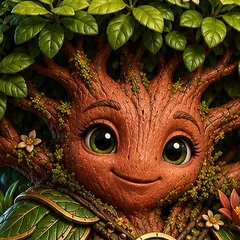
Illustrated portrait of RIZELA

The 80 cards of RIZELA, the red mangrove

Territory: Relict mangrove · San Pedro River.

At the table they come up one at a time and are read aloud. Here is the whole deck, to read at your own pace.

Read them in

“Available” does not always mean “reviewed by specialists”: we explain this in Behind every card.

On this page

Trivia · 20 cards

RIZELA Trivia

A question with three answers, at three levels of difficulty. Everyone thinks it through together.

TRI-MGL-01 · ROOTS THAT WALK

Beginner

How does the red mangrove hold itself up in soft mud?

  1. With roots that come out of the trunk like legs
  2. With one central root driven deep into the mud
  3. With thin roots that drop straight to the bottom
See the answer

A. With roots that come out of the trunk like legs

Its stilt roots grow out of the trunk and grip the mud like many legs.

Intermediate

What else do those aerial roots do, besides holding it up?

  1. They take in air and trap mud where oxygen is scarce
  2. They store fresh water through the long dry spells
  3. They give shade to the fish that breed below the roots
See the answer

A. They take in air and trap mud where oxygen is scarce

In oxygen-poor mud, the aerial roots take in air and hold mud that becomes soil.

Advanced

Why is that tangle of roots so important to the river?

  1. Because it gives off oxygen for the bottom fish
  2. Because it slows the current and stops floods
  3. Because it shelters and raises young fish
See the answer

C. Because it shelters and raises young fish

Above all, the root tangle is a nursery: it hides and raises young fish.

★ The mangrove has no legs, yet it walks on roots.

TRI-MGL-02 · CHILDREN BORN IN THE AIR

Beginner

What are the red mangrove's 'seeds' like?

  1. A fine dust that the wind carries far away across the land
  2. They are born already sprouted, like hanging seedlings
  3. Hard capsules that split open once they reach the mud
See the answer

B. They are born already sprouted, like hanging seedlings

The propagule germinates on the tree before it drops: it's born already grown.

Intermediate

Why is it an advantage for the propagule to drop already sprouted?

  1. To weigh more and sink quickly to the bottom
  2. To root fast before the water carries it away
  3. To float for years and never take root at all
See the answer

B. To root fast before the water carries it away

Dropping already alive, it can root quickly wherever it meets soft ground.

Advanced

What lets the propagule travel before it takes root?

  1. The wind carries it far from the mother tree
  2. Fish carry it in their mouths to another shore
  3. It floats on the water until it finds firm mud
See the answer

C. It floats on the water until it finds firm mud

It floats downriver for days or weeks until it finds a place to anchor.

★ The mangrove is born standing, before it ever falls.

TRI-MGL-03 · A SEA TREE IN FRESH WATER

Beginner

This San Pedro mangrove lives far from the sea. What water does it grow in?

  1. In fresh river water
  2. In salty sea water
  3. In brackish estuaries
See the answer

A. In fresh river water

It grows in fresh water, hours from the coast: extremely rare for a mangrove.

Intermediate

The red mangrove usually filters out sea salt. Here, what happens to that ability?

  1. It lost it entirely after living so long in fresh water
  2. It uses it in reverse, to make its own salt in the trunk
  3. It keeps it, even though fresh water doesn't require it
See the answer

C. It keeps it, even though fresh water doesn't require it

It holds on to its old marine skill like a memory it no longer needs.

Advanced

Why is it astonishing that it survives here, in fresh water?

  1. Because it's an ordinary mangrove from any coast
  2. Because someone waters it with sea water every single day
  3. Because it's left over from when the sea reached this far
See the answer

C. Because it's left over from when the sea reached this far

It's a survivor: the sea left, and it learned to live on river water.

★ A sea tree that now drinks from the river.

TRI-MGL-04 · THE RIVER'S NURSERY

Beginner

What do many young fish do among the mangrove roots?

  1. They hide and grow, safe from the big ones
  2. They sleep without moving all year long
  3. They get lost and can't find their way back out
See the answer

A. They hide and grow, safe from the big ones

The tangle of roots is a hideout: there the young grow far from the big fish.

Intermediate

If that mangrove is destroyed, what happens to the river's fishing?

  1. It rises for a while, then suddenly collapses
  2. It drops, because few young reach adulthood
  3. It stays the same; only the price of fish changes
See the answer

B. It drops, because few young reach adulthood

Without a nursery, fewer fish reach a size worth catching.

Advanced

Why does an inland tree matter to fish that live downriver?

  1. It matters only for the hard wood it gives for building houses and boats
  2. Because the river links the breeding upstream to the fishing downstream
  3. Because it draws tourists and brings fame and money to the town
See the answer

B. Because the river links the breeding upstream to the fishing downstream

What is raised among these roots feeds stretches of river far away.

★ Where the small fish grows, the fisher eats.

TRI-MGL-05 · THE TREE THAT SHOULDN'T BE HERE

Beginner

What's strange about this San Pedro mangrove?

  1. It changes the color of its leaves with each season
  2. It only appears after the heaviest rains of the year
  3. It grows more than a hundred kilometers from the sea
See the answer

C. It grows more than a hundred kilometers from the sea

A coastal mangrove growing inland: it doesn't fit... and yet there it is.

Intermediate

How did a sea mangrove end up so deep in the forest?

  1. Coastal fishers planted it not long ago
  2. It's left over from when the sea reached here
  3. The river washed it down from the mountains
See the answer

B. It's left over from when the sea reached here

No one brought it: the ocean of another age left it behind.

Advanced

Why do they call it a 'time capsule'?

  1. Because its trunk marks the years like the rings of a pine
  2. Because it blooms just once every hundred years, and only at night
  3. Because it keeps a world from a hundred thousand years ago alive
See the answer

C. Because it keeps a world from a hundred thousand years ago alive

To study it is to glimpse what the coast was like in another era.

★ A forest that stayed asleep for a hundred thousand years.

TRI-MGL-06 · THE MUD THAT STORES CARBON

Beginner

Besides roots, what does the mangrove mud hold?

  1. Large amounts of trapped carbon
  2. Veins of gold carried down by the river
  3. Layers of salt that harden the bottom
See the answer

A. Large amounts of trapped carbon

The mud traps carbon and holds it for a very long time.

Intermediate

What happens if that mud dries out or burns?

  1. It turns into dry land, ready for planting corn and beans
  2. It hardens into a useful stone for building
  3. It releases the carbon it had stored into the air
See the answer

C. It releases the carbon it had stored into the air

Destroying it releases, all at once, what took centuries to store.

Advanced

Why does a small mangrove matter for everyone's air?

  1. Because it gives cool shade to anyone passing along the bank
  2. Because meter for meter, it stores a huge amount of carbon
  3. Because it scents the air all along the riverbank with flowers
See the answer

B. Because meter for meter, it stores a huge amount of carbon

Mangroves are among the best carbon-keepers on the planet.

★ It keeps our excess carbon down in the mud.

TRI-MGL-07 · THE TIME TRAVELER

Beginner

Roughly how old is this mangrove, as a relict?

  1. Just a few decades, since the town was founded
  2. About a century, like the oldest houses in town
  3. More than a hundred thousand years as a lineage
See the answer

C. More than a hundred thousand years as a lineage

It's a relict from the last time the sea rose this high, about 125,000 years ago.

Intermediate

What did it preserve all that time, besides staying alive?

  1. Its kinship with the coastal mangroves
  2. Seeds brought from distant forests
  3. Only the fresh water trapped in its roots
See the answer

A. Its kinship with the coastal mangroves

It's still related to the coastal ones, proof of its journey through time.

Advanced

Why would losing it mean losing something that can't be recovered?

  1. Because its hard wood can be replaced by planting young trees nearby
  2. Because its seed bank fully recovers within a single season
  3. Because it's a ~125,000-year-old lineage that can never form again
See the answer

C. Because it's a ~125,000-year-old lineage that can never form again

A ~125,000-year-old relict can't be remade: you can replace wood, not history.

★ A hundred thousand years can't be replanted.

TRI-MGL-08 · WHEN THE SEA REACHED HERE

Beginner

Long ago, what was here where this mangrove forest now stands?

  1. The coast: the sea reached much farther inland
  2. A dry desert with no water at all for miles
  3. An ancient city, now buried under the jungle
See the answer

A. The coast: the sea reached much farther inland

The sea was here; that's why the mangrove remained when it withdrew.

Intermediate

Why did the sea rise so high back then?

  1. Because centuries of rain slowly filled the oceans to the brim
  2. Because Earth held much more water in that era than it does today
  3. Because the climate was warmer and some of the world's ice melted
See the answer

C. Because the climate was warmer and some of the world's ice melted

In warm periods (interglacials), ice melts and sea level rises.

Advanced

What does this mangrove teach us about the sea of the future?

  1. That its level rises and falls with the climate, and leaves traces
  2. That the sea has always stayed at exactly the same level as today
  3. That the sea never changes, no matter how much time passes
See the answer

A. That its level rises and falls with the climate, and leaves traces

It's a living witness to how climate moves the coastline.

★ The sea was here, and it left a witness behind.

TRI-MGL-09 · THE GIANT OF THE RIVER

Beginner

What large mammal lives and feeds in these rivers?

  1. A river dolphin, like the pink one in other tropical basins
  2. The manatee, which grazes on water plants in rivers and backwaters
  3. A giant otter, like those in other tropical rivers
See the answer

B. The manatee, which grazes on water plants in rivers and backwaters

The manatee is the great herbivore of these rivers.

Intermediate

What does the manatee eat?

  1. Water plants, which it grazes on all day
  2. Crabs and snails from the riverbed
  3. Tender roots that it pulls from the mangrove
See the answer

A. Water plants, which it grazes on all day

It's a vegetarian: it grazes on water plants all day long.

Advanced

What is one of its greatest dangers in the river today?

  1. That fresh water is too cold
  2. That it hardly finds fish anymore
  3. Boat strikes and habitat loss
See the answer

C. Boat strikes and habitat loss

It surfaces to breathe, and fast boats injure it; that's why speed is kept low.

★ The gentle giant grazes underwater.

TRI-MGL-10 · THE FEARED CLEANER

Beginner

What large reptile lives in these rivers and lagoons?

  1. A marine iguana that came from the coast
  2. Morelet's crocodile, native to these waters
  3. A giant soft-shelled turtle from the swamps
See the answer

B. Morelet's crocodile, native to these waters

Morelet's crocodile is native to these fresh waters.

Intermediate

What role does it play in the river?

  1. It keeps the river clean by eating only carrion
  2. It regulates populations and keeps the river in balance
  3. It has little effect; only the fish set the balance
See the answer

B. It regulates populations and keeps the river in balance

As a top predator, Morelet's crocodile controls which species thrive.

Advanced

Why does killing it out of fear harm the river?

  1. It leaves more food free for all the other fish in the river
  2. It makes the river water cleaner and clearer than before
  3. Without it, the chain that keeps the water healthy falls apart
See the answer

C. Without it, the chain that keeps the water healthy falls apart

Remove the one at the top, and everyone below is thrown off.

★ The one that frightens is also the one that keeps the river in order.

TRI-MGL-11 · THE FISH THAT BREATHES AIR

Beginner

What's special about the tropical gar?

  1. It can fly short distances over the water
  2. It breathes air as well as using gills
  3. It changes sex once it reaches adulthood
See the answer

B. It breathes air as well as using gills

It gulps air at the surface, handy in low-oxygen water.

Intermediate

How long has a fish like this existed, almost unchanged?

  1. For millions of years, an ancient lineage
  2. For just a few decades, nothing more
  3. Since the river's last big flood, recently
See the answer

A. For millions of years, an ancient lineage

It's a 'living fossil' from a distant lineage.

Advanced

What does the tropical gar share with this relict mangrove?

  1. Both survive from other eras in the same river
  2. Both live far out at sea, away from this river
  3. Both arrived in this river very recently
See the answer

A. Both survive from other eras in the same river

Ancient river, ancient neighbors: two relicts sharing the same water.

★ A fish in armor from another age.

TRI-MGL-12 · AS THE FOREST FALLS

Beginner

What is the greatest threat to this inland mangrove today?

  1. The heavy rains of each hurricane season
  2. Salt water from the sea that pushes in now and then
  3. The surrounding forest being cleared for pasture
See the answer

C. The surrounding forest being cleared for pasture

As forest is cleared for cattle, the relict is left isolated and exposed.

Intermediate

Why isn't it enough just to leave the mangrove itself standing?

  1. It is enough: as long as the tree stands, the relict is safe
  2. It is enough: the mangrove is self-sufficient and needs nothing around it
  3. It isn't: if the forest and river around it fall, it declines too
See the answer

C. It isn't: if the forest and river around it fall, it declines too

The relict lives thanks to the forest and river around it.

Advanced

What's the difference between cutting a forest down and cutting it off?

  1. Cutting it off kills it slowly: with no connections, it can't renew itself
  2. Cutting it off makes it stronger and tougher against the wind
  3. Felling is serious, but isolating it does the forest no harm whatsoever
See the answer

A. Cutting it off kills it slowly: with no connections, it can't renew itself

A lone patch, ringed by pasture, loses life over the years.

★ They don't cut it down, they leave it alone.

TRI-MGL-13 · THE THREAD OF FRESH WATER

Beginner

What keeps this mangrove alive so far from the sea?

  1. Rain that falls just once a year in the region
  2. The steady fresh water of the San Pedro River
  3. The dew left behind by the morning fog each day
See the answer

B. The steady fresh water of the San Pedro River

The river gives it the steady fresh water it needs.

Intermediate

What happens if that arm of the river is diverted or dried up?

  1. The mangrove loses its source and weakens
  2. The mangrove grows stronger in another direction
  3. The mangrove starts living on salt water
See the answer

A. The mangrove loses its source and weakens

Cutting off its water cuts off its life, even without felling it.

Advanced

Why does caring for the river upstream protect the mangrove downstream?

  1. Because it protects only the fish, not the tree
  2. Because a healthy river with steady flow is what sustains it
  3. Because the mangrove doesn't really need to drink water
See the answer

B. Because a healthy river with steady flow is what sustains it

Whatever happens kilometers upstream reaches its roots sooner or later.

★ No fresh river, no freshwater mangrove.

TRI-MGL-14 · THE MEMORY OF SALT

Beginner

The red mangrove knows how to live in salt water. Here, does it need it?

  1. No: it thrives in fresh water, though it could handle salt
  2. Yes, it needs plenty of salt to be able to grow tall
  3. It dies soon if it doesn't get the salt of the sea
See the answer

A. No: it thrives in fresh water, though it could handle salt

It doesn't need salt; it keeps the ability as a legacy of its marine past.

Intermediate

What lets a mangrove tolerate salt when there is any?

  1. It stores all the salt inside its trunk
  2. It pumps out the excess salt through its leaves
  3. It turns the salt into sugar for food
See the answer

B. It pumps out the excess salt through its leaves

It filters at the roots and sheds salt through the leaves, a finely tuned system.

Advanced

Why is this relict a 'laboratory' for scientists?

  1. Because it produces fine salt that can be harvested and sold
  2. Because it shows how a sea species stayed on in fresh water
  3. Because its wood is good for building boats and docks
See the answer

B. Because it shows how a sea species stayed on in fresh water

It helps us understand how life adjusts when the environment changes.

★ It knows how to live in salt, yet it stayed in the river.

TRI-MGL-15 · WOOD THAT TAKES ITS TIME

Beginner

How fast does a felled mangrove grow back?

  1. Decades: it's a very slow-growing tree
  2. It's back in a single rainy season
  3. It recovers in three to five years
See the answer

A. Decades: it's a very slow-growing tree

Replacing felled mangrove takes decades.

Intermediate

Why is making charcoal from this mangrove a bad deal?

  1. Because it takes years to grow what you burn in hours
  2. Because mangrove charcoal yields very little
  3. Because its wood is so hard it barely burns
See the answer

A. Because it takes years to grow what you burn in hours

What took decades to make is spent in an afternoon.

Advanced

As a relict, what is lost when it's cut, beyond the wood?

  1. A mature tree that resprouts from the stump within a few years
  2. A living piece of a ~125,000-year-old lineage, impossible to replace
  3. A timber reserve that the forest replaces entirely on its own
See the answer

B. A living piece of a ~125,000-year-old lineage, impossible to replace

What's lost is unrepeatable history, not just firewood.

★ Hours to burn it, centuries to grow it.

TRI-MGL-16 · THE RIVER THAT COMES FROM FAR

Beginner

Along which river does this relict mangrove grow?

  1. The Usumacinta River, in the same region
  2. The Grijalva River, across the southeast
  3. The San Pedro River, in the Maya Forest
See the answer

C. The San Pedro River, in the Maya Forest

It grows on the banks of the San Pedro, a tributary of the Usumacinta.

Intermediate

What makes this river special for wildlife?

  1. Each stretch stays isolated, creating separate species
  2. Its flow barely changes, giving a very stable habitat
  3. It connects forests and wetlands across a whole region
See the answer

C. It connects forests and wetlands across a whole region

The river links habitats; wildlife uses it as a corridor.

Advanced

Why is caring for this river the business of more than one town or country?

  1. Because its basin is nearly empty and no one depends on it
  2. Because its water and wildlife cross several counties and states
  3. Because each stretch can be cared for separately, with no coordination
See the answer

B. Because its water and wildlife cross several counties and states

A shared basin is cared for by everyone, or by no one.

★ The river knows no borders; neither does life.

TRI-MGL-17 · THE CLEANUP CREW

Beginner

What do the crabs do among the mangrove roots?

  1. They eat the tree's living roots from inside
  2. They shred fallen leaves and turn over the mud
  3. They hunt the birds that come down to the shore
See the answer

B. They shred fallen leaves and turn over the mud

They cut and bury leaves; they clean and aerate the bottom.

Intermediate

Why do those fallen leaves in the water matter?

  1. They're the start of the chain: food for many
  2. They block the sun and cool the fish below
  3. They serve as floating nests for the water birds
See the answer

A. They're the start of the chain: food for many

Rotting leaf litter feeds the small creatures that sustain the big ones.

Advanced

What would happen without those tiny 'cleaners'?

  1. The water would be cleaner and clearer than it has ever been
  2. Leaf litter would pile up and the chain would break from the bottom
  3. Other animals would take their place with no change at all
See the answer

B. Leaf litter would pile up and the chain would break from the bottom

Without detritivores (crabs), the base of the chain jams up.

★ The ones who clean where no one sees.

TRI-MGL-18 · THE TREE FULL OF NESTS

Beginner

What do many forest birds use the mangrove for?

  1. They eat it whole, leaves and roots
  2. They avoid it because the mud scares them
  3. Its branches, for nesting and resting
See the answer

C. Its branches, for nesting and resting

Herons and other birds nest and perch among its branches.

Intermediate

Why is a riverside mangrove good for birds?

  1. Because the sound of running water scares off the hunters
  2. Because it gives cool shade to the river at midday
  3. Because it brings water, fish, and trees together in one place
See the answer

C. Because it brings water, fish, and trees together in one place

They have pantry and home in the same spot.

Advanced

What does it say about a river when its mangroves are full of birds?

  1. That the water is dirty, and that's why they come
  2. That it's healthy: many birds signal a living system
  3. That there are too many birds and food will run short
See the answer

B. That it's healthy: many birds signal a living system

Birds are a good thermometer for the health of the water and the forest.

★ A tree with wet feet, full of nests.

TRI-MGL-19 · PLANTING MANGROVE

Beginner

Can we help the mangrove return where it was lost?

  1. Only by bringing special soil from the coast
  2. Yes, by planting propagules and tending the site
  3. No, once lost it never comes back again
See the answer

B. Yes, by planting propagules and tending the site

With propagules and care, a stretch can recover.

Intermediate

What does it take for planting to work?

  1. The right water and conditions, not just planting
  2. Planting the propagules packed tightly together
  3. Watering them daily with a little sea water
See the answer

A. The right water and conditions, not just planting

If the water or soil is wrong, the propagule won't take.

Advanced

Since it's a unique relict, is replanting enough to 'recover' it?

  1. No: protecting the original matters more, you can't replant its history
  2. Yes, it's enough to plant twice as many propagules along the coast
  3. Yes, as long as the new trees are watered steadily for several years
See the answer

A. No: protecting the original matters more, you can't replant its history

Planting helps, but a hundred-thousand-year-old relict can't be remade.

★ Planting adds; protecting the original adds more.

TRI-MGL-20 · THE TREE THAT CONNECTS TIME

Beginner

What does this mangrove join that almost no other living thing does?

  1. The sea and the mountains, moving water between them
  2. Two species that breed only in its shade and nowhere else
  3. The past and the present: it brings an ancient world alive
See the answer

C. The past and the present: it brings an ancient world alive

It joins eras: a world from millennia ago, alive today.

Intermediate

Why is it called a 'bridge in time' rather than in space?

  1. Because it connects today's coast with the forest, joining two places
  2. Because its propagules travel and join distant shores
  3. Because it links a lost era to ours without ever moving from here
See the answer

C. Because it links a lost era to ours without ever moving from here

It joins not places but eras, standing still where the sea left it.

Advanced

What do we lose, beyond the tree, if it disappears?

  1. The only living link to the coast of ~125,000 years ago
  2. Just one more red mangrove, like those on the coast
  3. A source of propagules to restock coastal mangroves
See the answer

A. The only living link to the coast of ~125,000 years ago

The last direct connection to that world is severed.

★ A bridge that crosses time, not the river.

Pulse · 20 cards

RIZELA Pulse

News from the territory. Sometimes good, sometimes bad. It moves the score in favor of the Guardians or the Villains.

PUL-MGL-01 · AS THE FOREST FALLS

The machines come in along the new track and knock down forest to open pasture. Every week the green gives back a stretch. The mangrove that grows hours from the sea is left lonelier, hemmed in by grass and wire. They haven't touched it yet: first they take the forest around it.

At the table: Damage 1

PUL-MGL-02 · FIREWOOD FROM A RARE TREE

Someone crosses by dugout canoe and cuts a few mangrove poles for firewood, as has always been done. He doesn't know that tree shouldn't be here, so far inland, so far from the coast. To him it's ordinary forest. Every pole he takes is older than his great-grandfather.

At the table: Damage 1

PUL-MGL-03 · THE BURN NEXT DOOR

They set fire to the plot next door to clear it before planting. The smoke crosses the river and the heat licks the bank. Fire doesn't tell ordinary forest from relict. If it jumps the arm of water, it takes in one afternoon what time kept for centuries.

At the table: Damage 1

PUL-MGL-04 · THE SEVERED ARM

A dirt road fills in the arm of water that feeds the mangrove. What was living current becomes a still puddle. The roots that depended on that fresh thread begin to dry on the side left without flow. The water doesn't go around the embankment: it stops.

At the table: Damage 1

PUL-MGL-05 · THE FENCED NURSERY

They put up a simple fence so the cattle no longer come down among the roots. Within a few months, where there was trampled mud, hundreds of new seedlings appear. The next generation of mangrove finally has somewhere to grow.

At the table: Reserve +2

PUL-MGL-06 · WHAT THE RAIN BRINGS

After the downpour, water runs down from the plots loaded with whatever was sprayed: herbicide, fertilizer, pesticide. It reaches the river cloudy and foaming. Nothing is seen to die all at once, but the water around the roots is no longer what it was ten years ago.

At the table: Reserve −1

PUL-MGL-07 · DOWNRIVER

Everything the towns upstream let go comes down the San Pedro: bottles, bags, soda containers. The current tangles them in the mangrove's roots as if in a net. The tree has filtered salt for millennia, but it doesn't know what to do with plastic.

At the table: Damage 1

PUL-MGL-08 · 'JUST SCRUB'

The owner shows the bill of sale: hectares of forest with an odd patch of mangrove by the river. 'It's just scrub, no good,' he says, and names a price. He doesn't know that patch is a relict from when the sea reached here. To the market it's worth what a pasture is worth.

At the table: Damage 1

PUL-MGL-09 · THE MISSING WATER

Upstream they opened a big intake for irrigation. The river comes down thinner every season. The roots that lived with their feet in the water are left in the air part of the year. The mangrove endured changes over thousands of years; what it doesn't know is how to live without a river.

At the table: Damage 1

PUL-MGL-10 · THE DISCHARGE

The town's sewer pipe empties beside the mangrove. In the dry season the water stagnates green and thick around the roots. What once sustained fish, turtles, and herons begins to stink. The tree holds out; what surrounds it, less and less.

At the table: Reserve −1

PUL-MGL-11 · THE CROCODILE'S NEIGHBORS

The crocodile shows up near the landing and, this time, no one runs for the rifle. They learned it keeps the river healthy and is best left where it is. They give it its space and get on with their lives; it gets on with its own.

At the table: Restore 1

PUL-MGL-12 · THE GIANT AND THE PROPELLER

A boat speeds across the stretch where the manatee surfaces to breathe. The blow leaves a long scar on the back of the gentlest animal in the San Pedro. No one hunted it: they were just in a hurry through water that is also its home.

At the table: Damage 1

PUL-MGL-13 · THE SHRINKING ISLAND

Year after year the pasture advances and the forest around the mangrove shrinks. What was continuous forest becomes a green island ringed by grass. Isolated, the relict can't exchange seeds or shade with anything. It survived the sea; the fence is harder.

At the table: Damage 1

PUL-MGL-14 · PRIDE FROM ANOTHER AGE

The tropical gar is from another age: an armored fish that breathes air. Instead of fearing it, the town tells its children about it with pride. A living fossil still swimming in its river.

At the table: Reserve +1

PUL-MGL-15 · CHILDREN THAT FLOAT

The mangrove doesn't drop seeds: it drops children already grown. Long green pods like pencils hang from the tree, fall, float downriver, and drive themselves into the soft mud. Each one is the tree trying to get a little farther along the water.

At the table: Restore 1

PUL-MGL-16 · THE RIVERSIDE NURSERY

Some riverside families gather the propagules the current carries and tend them in pots of river mud. When they take, they plant them where the forest thinned. It isn't a big project and it has no sign: it's people giving back to the river what the river gave them.

At the table: Reserve +2

PUL-MGL-17 · WHAT WAS JUST FOREST

Some people arrived who measured, took samples, and marveled at something that to everyone was the same old forest. They explained that this mangrove is a relict of a sea that left more than a hundred thousand years ago. Since then, the same old tree is seen differently.

At the table: Restore 2

PUL-MGL-18 · THE GIANT RETURNED

After years without seeing it, someone spots the manatee again, poking its snout up in the backwater. Word gets around without fuss. They slowed the boats on that stretch, and the gentle giant came back to trust its piece of river.

At the table: Restore 1

PUL-MGL-19 · THE FENCE THAT PROTECTS

They agreed to leave a strip of forest untouched around the mangrove: no pasture, no firewood, no fire. It isn't a wall; it's a deal. The forest around it slowly closes in again, and the relict stops being an island and has company once more.

At the table: Restore 2

PUL-MGL-20 · THE TRIP TO THE PAST

On Sundays, people take the children by dugout canoe to see 'the tree that came from the sea'. They tell them it grows in fresh water where it should grow in salt, that it's older than any story in the town. A forest no one used to look at now has people to show it off.

At the table: Reserve +1

Encounter · 20 cards

RIZELA Encounters

A scene with someone who cares: a fisherwoman, a biologist, a neighbor. It almost always brings hope.

ENC-MGL-01 · THE ONE WHO KNOWS THE BACKWATER

Don Chente · river fisherman · banks of the San Pedro

Here the snook comes up from downstream and the mojarra breeds among the roots. My father fished the same way. If they cut the mangrove, it's not that the fish run short: it's that they stop being born.

What breeds in hiding counts too.

At the table: Reserve +1

And the one who cuts the mangrove to sell timber or open pasture, why does he do it? What would you do in his place?

ENC-MGL-02 · THE KITCHEN ON THE BANK

Doña Yoli · cook · Balancán landing

I cook what the river gives: gar, mojarra, pigua prawn. But I teach the kids to throw back the small ones. The river fills the pot if you don't empty it all at once.

The pot fills better with patience.

At the table: Reserve +1

Why do others take the small fish anyway? What pressure are they under? Would asking them not to be enough?

ENC-MGL-03 · THE ONE WHO ALWAYS KNEW

Tío Fermín · riverside elder · San Pedro Mártir

City folks marvel at the discovery. We've known that forest forever; we called it the inland mangrove. Good that now others look after it with us.

What someone discovers, others were already tending.

At the table: Restore 1

Whose job is it to care for a place: the one who discovers it, or the one who has always lived from it?

ENC-MGL-04 · THE RIVER WARDEN

Ramiro · park ranger · San Pedro reserve

The day this stops looking boring, it's already too late. I guard a tree most people don't even glance at. But the day it's gone, it'll show, and by then there's nothing to be done.

The quiet things are missed when they're gone.

At the table: Reserve +1

Is it worth guarding something almost no one values? How do you get others to care without scolding them?

ENC-MGL-05 · THE MAP OF TIME

Nadia, biologist · researcher · river field camp

When I understood this mangrove was a piece of sea from a hundred thousand years ago, my skin prickled. No one planted it: the ocean left it here when it withdrew. It's a living ghost.

Some treasures wait centuries for someone to look.

At the table: Restore 1

For someone who needs that land to live, does that ancient mangrove weigh the same? How do you reconcile the two?

ENC-MGL-06 · THE BANK AS IT WAS

Don Goyo · riverside elder · edge of the San Pedro

When I was a boy the water reached that post. Today it's ten paces off. The river goes on, but thinner. You don't see the bank move; one day it just has.

Slow changes are the ones that weigh most.

At the table: Reserve +1

If the river drops because everyone upstream took 'just a little', whose responsibility is it?

ENC-MGL-07 · KENA'S PROPAGULE

Kena · girl from the riverbank · river school

I planted one of those that look like a pencil. Teacher says if it takes, it'll be a tree when I'm grown. I'm going to come back and see if it waited for me.

What you planted yourself, you tend differently.

At the table: Restore 1

Is it worth planting a tree whose fruit you'll never see? Why would someone prefer today's benefit?

ENC-MGL-08 · THE ONE WHO FILLS THE POTS

Beto · nursery keeper · riverside nursery

Every pot is a tree you can't see yet. I won't see them grown, but someone will row beneath their shade. You plant for a river that hasn't arrived yet.

Today you plant someone else's shade.

At the table: Reserve +1

Is it fair to ask someone to plant for others while their own family goes without today?

ENC-MGL-09 · THE ONE WHO CLEARED FOREST

Saúl · once cleared land, now guards it · San Pedro ejido

I cut forest for years; they paid me by the cleared hectare. Until I learned what that odd mangrove I nearly felled was. Now I guard it. Not to wash away guilt: so it doesn't happen to another stretch.

Switching sides is work too.

At the table: Restore 1

What made Saúl clear forest? What made him change? What would another logger need in order to change the same way?

ENC-MGL-10 · THE BOATMAN OF THE BACKWATER

Chú · boatman · San Pedro landing

Climb in, I'll take you to the inland mangrove. We go slow through the backwater, in case the manatee comes up. Here, whoever rushes misses the good part.

Going slow is also getting there.

At the table: Restore 1

Does tourism help the mangrove, or does it pressure it too? Where's the right balance?

ENC-MGL-11 · DOÑA LUPE'S GAR

Doña Lupe · cook · Tenosique market

Roasted in its own skin, as it should be. But I buy from those who respect the size limit. The fish was here before we were; let it last after us.

You protect the traditional so it stays traditional.

At the table: Reserve +1

And the one who sells the small fish cheap, why does he do it? Can he afford not to?

ENC-MGL-12 · THE LAST LOAD

Nico · charcoal maker · San Pedro forest

All my life I made charcoal from this forest. They explained to me what that mangrove is, and it stuck with me. I cut everything, except there. A man draws a line somewhere.

Even the one who cuts knows where to stop.

At the table: Restore 1

Nico lived off that forest's charcoal. Is it fair to ask him to give up his trade? In exchange for what?

ENC-MGL-13 · THE ENGINEER'S ROAD

Engineer Paredes · road builder · river stretch

If I cut straight across the arm of water, I deliver the road on time and people get their harvest out without a struggle. If I go around it, I respect the mangrove's flow, but it costs more and takes longer. Both serve somebody. You tell me.

Every shortcut is paid for by someone downstream.

  • A. Cut straight across (delivers the road on time) Reserve +1 · Damage 1
  • B. Go around (respects the flow) Restore 1 · Reserve −1

Who wins and who loses with each route? Can the road be built without splitting the river?

ENC-MGL-14 · THE COMMISSIONER'S DECISION

Commissioner Delia · ejido authority · riverside assembly

One paper opens the mangrove to pasture: income today for families who need it. The other declares it untouchable: pride and a future, but without that income. The assembly isn't voting between good and bad, but between two real needs.

What's signed today is lived for years.

  • A. Open to pasture (income for the families) Reserve +2 · Damage 1
  • B. Untouchable decree (protects the relict) Restore 2 · Reserve −1

If your family depended on that income, how would you vote? Is there a path that doesn't force the choice?

ENC-MGL-15 · TEACHER IVET

Teacher Ivet · primary school · river town

I take the class by dugout canoe to the mangrove. Let them touch it, let them smell the mud. You can't love what you never knew, or care for what you never loved.

No one cares for what they never knew.

At the table: Reserve +1

Is there any point teaching kids to love the mangrove if the one who decides to cut it never sat in that class?

ENC-MGL-16 · THE CROCODILE COUNTER

Tacho · wildlife monitor · San Pedro lagoons

I count them at night, by the shine of their eyes. People fear them; I respect them. Where there's a healthy crocodile, the river is healthy. They're the thermometer with teeth.

Sometimes the one that scares you is the one that warns you.

At the table: Restore 1

Why do so many people fear the crocodile? Is there any reason in that fear?

ENC-MGL-17 · FROM THE NET TO THE NURSERY

Rosa · fisher and nursery keeper · banks of the San Pedro

Before I only took; now I plant too. One day I fish, the next I tend seedlings. I realized the river was feeding me and I was giving nothing back.

Taking and giving back fit in the same hands.

At the table: Reserve +1

Can you live from the river and care for it at the same time, or do you always have to choose?

ENC-MGL-18 · THE REPORTER AND THE PERMIT

Emilio · local reporter · Balancán office

I found a permit to 'clear' the forest next to the mangrove. Legal on paper, but nobody asked what was being cleared. I'm going to publish it; sometimes bringing something to light is enough to stop it.

What's said out loud is harder to cover up.

At the table: Restore 1

It was legal on paper. Is being legal enough for something to be right?

ENC-MGL-19 · THE ONE WHO ASKS WHERE FROM

Damián · eatery owner · Tenosique highway

I used to buy meat without asking. Now I know a lot of it comes from freshly cleared forest. I ask for the ranch we've always used. The landscape gets decided on the plate too.

What's ordered at the eatery moves the forest too.

At the table: Reserve +1

Is it fair to put the decision on the consumer? And what about those who can't choose what they eat?

ENC-MGL-20 · SATURDAY ON THE RIVERBANK

The Raíz collective · neighbors · edge of the San Pedro

We're neighbors, not experts. One Saturday a month we plant propagules where the forest thinned. We don't fix everything; we fix one stretch. The next one over, someone else fixes.

One stretch each, and the river mends itself.

At the table: Restore 1

'We don't fix everything.' Are small efforts worth it if the big damage goes on?

Challenge · 20 cards

RIZELA Challenges

A real-life commitment. Each player answers “I already do it,” “I'll try it” or passes.

RET-MGL-01

I turn off the tap while I soap up or brush my teeth.

  • “I already do it” Restore 1
  • “I'll try it” Reserve +1
  • “Pass” No effect

RET-MGL-02

I collect the cold water that runs before the hot in the shower and reuse it.

  • “I already do it” Restore 2
  • “I'll try it” Reserve +1
  • “Pass” No effect

RET-MGL-03

I check and fix any dripping tap or leaking pipe in my home.

  • “I already do it” Restore 2
  • “I'll try it” Reserve +1
  • “Pass” No effect

RET-MGL-04

I collect rainwater in a barrel to water my plants.

  • “I already do it” Restore 2
  • “I'll try it” Reserve +1
  • “Pass” No effect

RET-MGL-05

I reuse the water from washing fruit and vegetables on the garden.

  • “I already do it” Restore 1
  • “I'll try it” Reserve +1
  • “Pass” No effect

RET-MGL-06

I keep used cooking oil in a jar and take it to a collection point.

  • “I already do it” Restore 2
  • “I'll try it” Reserve +1
  • “Pass” No effect

RET-MGL-07

I make sure none of my trash ends up in a storm drain or channel that runs to the river.

  • “I already do it” Restore 1
  • “I'll try it” Reserve +1
  • “Pass” No effect

RET-MGL-08

When I go to the river, I come back with all my trash, cigarette butts included.

  • “I already do it” Restore 1
  • “I'll try it” Reserve +1
  • “Pass” No effect

RET-MGL-09

I don't fish, or let others fish, among the mangrove roots where the fish breed.

  • “I already do it” Restore 2
  • “I'll try it” Reserve +1
  • “Pass” No effect

RET-MGL-10

I don't burn trash or leaf litter in my yard.

  • “I already do it” Restore 1
  • “I'll try it” Reserve +1
  • “Pass” No effect

RET-MGL-11

I've planted, and still water, at least one tree native to my region.

  • “I already do it” Restore 2
  • “I'll try it” Reserve +1
  • “Pass” No effect

RET-MGL-12

I report anyone I see dumping rubble or trash in the river.

  • “I already do it” Restore 2
  • “I'll try it” Reserve +1
  • “Pass” No effect

RET-MGL-13

I use biodegradable soap and detergent, with no phosphates or microplastics.

  • “I already do it” Restore 2
  • “I'll try it” Reserve +1
  • “Pass” No effect

RET-MGL-14

I only run the washing machine with a full load.

  • “I already do it” Restore 1
  • “I'll try it” Reserve +1
  • “Pass” No effect

RET-MGL-15

I shower in under five minutes.

  • “I already do it” Restore 2
  • “I'll try it” Reserve +1
  • “Pass” No effect

RET-MGL-16

I compost my food scraps instead of throwing them away.

  • “I already do it” Restore 2
  • “I'll try it” Reserve +1
  • “Pass” No effect

RET-MGL-17

I drink filtered tap water instead of buying it bottled.

  • “I already do it” Restore 1
  • “I'll try it” Reserve +1
  • “Pass” No effect

RET-MGL-18

I don't buy plants or animals taken from the river or the forest.

  • “I already do it” Restore 1
  • “I'll try it” Reserve +1
  • “Pass” No effect

RET-MGL-19

I pick up the trash I see caught on the riverbank or among the roots.

  • “I already do it” Restore 2
  • “I'll try it” Reserve +1
  • “Pass” No effect

RET-MGL-20

I water my plants early or at dusk so the water doesn't evaporate.

  • “I already do it” Restore 1
  • “I'll try it” Reserve +1
  • “Pass” No effect