La Fábrica
Inventiva
Join usES

FAUNA Guardianes / Cards / CENTOR

The full deck · 80 cards

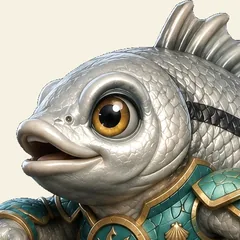
Illustrated portrait of CENTOR

The 80 cards of CENTOR, the snook

Territory: River–sea corridor.

At the table they come up one at a time and are read aloud. Here is the whole deck, to read at your own pace.

Read them in

“Available” does not always mean “reviewed by specialists”: we explain this in Behind every card.

On this page

Trivia · 20 cards

CENTOR Trivia

A question with three answers, at three levels of difficulty. Everyone thinks it through together.

TRI-ROB-01 · THE FISH OF TWO WATERS

Beginner

What water can the snook live in?

  1. In both fresh water and salt
  2. Only in cold mountain water
  3. Only in lagoons with no outlet
See the answer

A. In both fresh water and salt

It handles fresh, brackish, and salt water, and moves between them.

Intermediate

Why does tolerating both waters serve it well?

  1. It's born near the sea and grows up upriver
  2. To flee from its predators much faster
  3. To camouflage itself by changing color
See the answer

A. It's born near the sea and grows up upriver

It uses the sea and the river at different stages of its life.

Advanced

What does it need to complete that journey between waters?

  1. For the tide to rise high and push it far upriver
  2. For the river water to stay very cold all year round
  3. For the river to be open, with no walls or closed mouths
See the answer

C. For the river to be open, with no walls or closed mouths

If the passage between sea and river is cut, it can't close its life cycle.

★ A fish that lives with a foot in each water.

TRI-ROB-02 · BORN IN THE SEA, RAISED IN THE RIVER

Beginner

Where does the snook usually spawn?

  1. In fast mountain streams, far upriver
  2. Near the sea, at the river mouths
  3. In a pool of still, quiet water
See the answer

B. Near the sea, at the river mouths

It spawns near the coast and the mouths of estuaries.

Intermediate

Where do the young grow up?

  1. Out at sea, in deep, open water
  2. In sheltered estuaries, upriver
  3. In the dry sand of the shore
See the answer

B. In sheltered estuaries, upriver

The young grow up protected in estuaries and mangroves.

Advanced

Why is the estuary so important for sea fishing?

  1. Because it warms the water all along the nearby coast
  2. Because it only serves as a passage to the open sea
  3. Because there is raised what is later caught offshore
See the answer

C. Because there is raised what is later caught offshore

With no nursery in the estuary, there are no adults to catch at sea.

★ Born facing the sea, it grows up with its back to it.

TRI-ROB-03 · THE BIG ONES ARE FEMALES

Beginner

In snook, what are the largest individuals usually?

  1. Almost always females
  2. Almost always the young
  3. Almost always males
See the answer

A. Almost always females

Large snook are usually females, the ones that lay eggs.

Intermediate

What happens if the largest are always caught?

  1. The rest of the fish grow much faster and healthier
  2. Only market prices go up a little, nothing more
  3. The best breeders are removed and the young decline
See the answer

C. The best breeders are removed and the young decline

Every big female missing means thousands of young never born.

Advanced

Why is it better to release the huge one and keep the medium?

  1. It's worth it mainly for its high sale price
  2. The medium one lays far more eggs than the big one does
  3. The big one restocks the sea; the medium one, less so
See the answer

C. The big one restocks the sea; the medium one, less so

Releasing breeders is sowing fish for the future.

★ The biggest one is worth more to the sea alive.

TRI-ROB-04 · WHAT IS A CLOSED SEASON?

Beginner

What is a fishing 'closed season'?

  1. A time when fishing is not allowed
  2. A special kind of very large net
  3. A very common fish along the coast
See the answer

A. A time when fishing is not allowed

It's a pause: no fishing during a certain season.

Intermediate

Why is a closed season set right when the fish spawns?

  1. To push up the price of fish at the market
  2. To let it breed without being netted while gathered
  3. Because boats and crews are scarce that season
See the answer

B. To let it breed without being netted while gathered

At spawning it's most vulnerable; protecting it secures the young.

Advanced

Why is respecting the closed season good business in the long run?

  1. It only benefits the big offshore boats and nobody else at all
  2. One month without fishing today yields many seasons later
  3. It slows sales and ends up raising the final price
See the answer

B. One month without fishing today yields many seasons later

It's an investment: fish a little less now to fish far more later.

★ Not fishing in time means fishing forever.

TRI-ROB-05 · THE PASSAGE BETWEEN TWO WORLDS

Beginner

What happens to the snook if a wall is put between river and sea?

  1. It finds another river nearby and carries on as usual
  2. It jumps the wall with no trouble, like a salmon
  3. It can't make its journey and its cycle breaks
See the answer

C. It can't make its journey and its cycle breaks

Without a free passage it can't complete the river-sea journey; it doesn't just switch rivers or leap tall walls.

Intermediate

Why is keeping the estuary mouth open so vital?

  1. Because an open mouth cools the estuary water
  2. The young come in and the adults go out through it
  3. Because the rain that fills the estuary comes in through it
See the answer

B. The young come in and the adults go out through it

The open mouth is the gateway of the cycle: young enter, adults leave.

Advanced

What is a river's 'connectivity' for fish?

  1. The name of a coastal fish species
  2. A type of very fine net for shrimp
  3. That the river runs free from end to end
See the answer

C. That the river runs free from end to end

Without open pathways, many species can't complete their lives.

★ To close its passage is to close its life.

TRI-ROB-06 · THE HUNTER IN THE MIDDLE

Beginner

What does the snook eat?

  1. Small fish and shrimp
  2. Plants and bottom algae
  3. Mud from the riverbed
See the answer

A. Small fish and shrimp

It's a carnivore: it eats small fish and crustaceans.

Intermediate

And who eats the snook?

  1. Only the plants on the bottom
  2. Only other, much larger snook
  3. Larger fish, birds, and people
See the answer

C. Larger fish, birds, and people

It sits mid-chain: it hunts and is also hunted.

Advanced

Why does a mid-level predator like it matter?

  1. It matters only for the fine taste of its white flesh
  2. It links the small to the large and keeps balance
  3. It only competes with the shore birds for food
See the answer

B. It links the small to the large and keeps balance

If it vanishes, both its prey and its predators are thrown off.

★ Neither the biggest nor the smallest: the one in the middle keeps order.

TRI-ROB-07 · WHY A MINIMUM SIZE?

Beginner

What is a fishing 'minimum size'?

  1. The fish's sale price at the market
  2. The exact age each fish has reached
  3. The smallest size at which it can be kept
See the answer

C. The smallest size at which it can be kept

It marks the size at which it may be taken.

Intermediate

What is that rule for?

  1. So the fish breeds at least once
  2. To know each fish's exact weight
  3. To be able to sell it much dearer later
See the answer

A. So the fish breeds at least once

It lets each fish leave offspring before it's caught.

Advanced

What happens if everyone fishes below the size limit?

  1. Those left grow much faster, bigger, and healthier
  2. In time there will end up being more fish than before
  3. The ones that haven't yet bred are taken, and stocks fall
See the answer

C. The ones that haven't yet bred are taken, and stocks fall

With no new young, the sea slowly runs out of snook.

★ Let it grow, and it lets you fish.

TRI-ROB-08 · MORE NETS, FEWER FISH

Beginner

If every year more boats fish the same sea, what happens?

  1. Everyone gets less; the sea runs dry
  2. More fish appear each year for everyone
  3. The sea is more than enough for all the boats
See the answer

A. Everyone gets less; the sea runs dry

The sea gives the same amount split among more: everyone gets less.

Intermediate

What's it called to take more than the sea replaces?

  1. Fish farming
  2. Restocking
  3. Overfishing
See the answer

C. Overfishing

Overfishing: taking faster than the species can recover.

Advanced

How do you keep a shared sea from running out?

  1. With agreements: size limits, closed seasons, and shared limits
  2. By fishing only on the darkest, moonless nights of the year
  3. By fishing as fast as you can, before anyone else does
See the answer

A. With agreements: size limits, closed seasons, and shared limits

What's shared is saved when those who use it set rules together.

★ Many hooks in a small sea leave everyone with little.

TRI-ROB-09 · THE NET THAT CHOOSES

Beginner

What's the difference between a small-mesh net and a large-mesh one?

  1. Only the color of the net and its price at the store
  2. The small one traps young; the large one lets them through
  3. In fact both of them catch exactly the same fish
See the answer

B. The small one traps young; the large one lets them through

The mesh size decides what's taken and what's spared.

Intermediate

Why is a mesh that lets the small ones escape a good idea?

  1. The small ones grow and breed later
  2. It's better to catch the small ones too
  3. To fish less just for the sake of it
See the answer

A. The small ones grow and breed later

Letting the small ones grow secures fishing in the future.

Advanced

What is 'selective' fishing?

  1. Catching a bit of everything, with no distinction
  2. Fishing only at night with the help of lights
  3. Using gear that selects for size and species
See the answer

C. Using gear that selects for size and species

Choosing what to take avoids catching what you shouldn't.

★ The large mesh fishes today without stealing from tomorrow.

TRI-ROB-10 · THE GHOST NET

Beginner

What is a 'ghost net'?

  1. An old legend told by the fishers
  2. A lost net that keeps fishing on its own
  3. A brand-new net just bought at port
See the answer

B. A lost net that keeps fishing on its own

A net abandoned in the water keeps killing though no one uses it.

Intermediate

Why is it a double waste?

  1. It only burns a little extra fuel on the trip
  2. It kills fish no one uses and fouls the sea
  3. It ends up yielding quite a bit more catch
See the answer

B. It kills fish no one uses and fouls the sea

The fish die for nothing and the net becomes garbage.

Advanced

How is that problem fought?

  1. By dumping even more nets in the water
  2. By letting it slide, doing nothing about it
  3. By recovering lost nets and not abandoning them
See the answer

C. By recovering lost nets and not abandoning them

Retrieving gear and never abandoning it cuts the harm short.

★ A lost net never stops killing.

TRI-ROB-11 · THE COLD THAT STUNS

Beginner

The snook is a warm-water fish. What does a hard cold do to it?

  1. It doesn't affect it at all
  2. It stuns it and can kill it
  3. It makes it grow faster
See the answer

B. It stuns it and can kill it

Cold snaps hit warm-water fish hard.

Intermediate

What helps it survive a cold front?

  1. Sheltering in deep pools, where it cools less
  2. Swimming against the current all day
  3. Coming out of the water onto the shore
See the answer

A. Sheltering in deep pools, where it cools less

In the deep, water holds its warmth longer; there it endures.

Advanced

Why does silting up those pools leave it defenseless?

  1. With no deep pool, the cold reaches it and kills
  2. On the contrary, that protects it far better
  3. It forces it up into warmer, open waters
See the answer

A. With no deep pool, the cold reaches it and kills

Taking away its refuges turns an ordinary cold into a kill-off.

★ With no deep pool, the cold shows no mercy.

TRI-ROB-12 · THE ESTUARY NURSERY

Beginner

Where do young snook spend their first months?

  1. Right out in the open sea
  2. In the sand of the beach
  3. Hidden in estuaries and roots
See the answer

C. Hidden in estuaries and roots

They grow up sheltered in estuaries and among roots.

Intermediate

What happens if that estuary is filled in or fouled?

  1. The estuary cleans and improves all on its own
  2. In time there are more fish than before
  3. The nursery is lost and fewer adults arrive
See the answer

C. The nursery is lost and fewer adults arrive

With nowhere to grow up, the next generation never arrives.

Advanced

Why does caring for the estuary benefit offshore fishing?

  1. Because what's caught offshore is raised there
  2. It only benefits the fishing in the river itself
  3. They are two entirely separate things, unrelated
See the answer

A. Because what's caught offshore is raised there

Estuary and sea are joined: one raises what the other catches.

★ What's raised in the estuary is caught offshore.

TRI-ROB-13 · THE SHARED PANTRY

Beginner

Why is the sea called a 'common pantry'?

  1. Because it's almost always empty
  2. Because many eat and live from it
  3. Because it belongs to a single owner
See the answer

B. Because many eat and live from it

The food of many people depends on one and the same sea.

Intermediate

What happens to a pantry everyone takes from and no one restocks?

  1. Sooner or later it empties
  2. It refills all by itself
  3. It fills with new fish alone
See the answer

A. Sooner or later it empties

Without restocking, even the largest pantry runs out.

Advanced

What makes a shared resource last?

  1. That no one sets any rules or any limits at all
  2. That those who use it agree on limits together
  3. That everyone takes as much as they can
See the answer

B. That those who use it agree on limits together

Agreements among users keep it from running out.

★ Everyone's pantry is cared for by everyone.

TRI-ROB-14 · THE JOURNEY BACK

Beginner

Does the snook return to familiar areas to spawn?

  1. Yes, it goes back to its spawning grounds
  2. No: it spawns anywhere at all, at random
  3. No: it spawns just once, out in the open sea
See the answer

A. Yes, it goes back to its spawning grounds

It tends to return to known spawning grounds, near the river mouths.

Intermediate

What happens if that spawning place is destroyed or closed off?

  1. The fish spawns in the sea anyway
  2. The cycle breaks and the young decline
  3. Other fish arrive from a different river
See the answer

B. The cycle breaks and the young decline

With no safe place to spawn, there's no new generation.

Advanced

Why does protecting a few key areas help the whole sea?

  1. It only helps that small protected area
  2. The region's catch comes from those spawnings
  3. It really makes no difference where
See the answer

B. The region's catch comes from those spawnings

Protecting the breeding sites restocks entire areas.

★ Guard the spawning, and you guard the whole sea.

TRI-ROB-15 · NEITHER EMPTY NOR BAN

Beginner

Between 'catch everything' and 'ban everything', what does sustainable fishing aim for?

  1. Fishing in measure so it lasts
  2. Emptying the sea right now
  3. Catching all you can, today
See the answer

A. Fishing in measure so it lasts

Neither strip nor shut down: take just what the sea replaces.

Intermediate

What tools does it use to achieve that?

  1. Size limits, closed seasons, quotas, and selective gear
  2. Fishing only at night, under the light of the moon
  3. Using ever larger and longer nets each season
See the answer

A. Size limits, closed seasons, quotas, and selective gear

Simple rules keep the fishing going without exhausting it.

Advanced

Why is it in the fishers' own interest?

  1. It suits them to fish with no limits at all
  2. It ensures they have something to catch for life
  3. In the end it leaves all of them with no work at all
See the answer

B. It ensures they have something to catch for life

Caring for the resource is caring for their own future jobs.

★ To fish in measure is to fish for a lifetime.

TRI-ROB-16 · THE RIVER THAT FEEDS THE SEA

Beginner

Where does some of what sustains the snook on the coast come from?

  1. From the open sea, far offshore, carried by the currents
  2. From the dirty drains of the big coastal city
  3. From rivers and estuaries that flow down to the sea
See the answer

C. From rivers and estuaries that flow down to the sea

Rivers and estuaries bring water and life to the coast.

Intermediate

What happens if those rivers are fouled or diverted upstream?

  1. The coast cleans itself up with the waves
  2. Far more shrimp arrive on the coast each year
  3. The coast receives less life and more pollution
See the answer

C. The coast receives less life and more pollution

What happens upstream reaches the sea sooner or later.

Advanced

Why is caring for the sea the task of more than one place?

  1. Each should care only for their own stretch
  2. Because river, estuary, and sea are joined
  3. Because no one really uses them anymore
See the answer

B. Because river, estuary, and sea are joined

It's a single water basin; care can't belong to just one party.

★ The river that's cared for feeds the sea.

TRI-ROB-17 · WHAT THE SNOOK EATS

Beginner

If small fish and shrimp are caught without limit, what happens to the snook?

  1. It fattens up faster
  2. It's left without food
  3. It fattens all the same
See the answer

B. It's left without food

Without its prey, the snook has nothing to live on.

Intermediate

Why isn't it enough to protect only the snook?

  1. You must also care for what it eats
  2. It is enough to protect only it
  3. The snook barely eats, really
See the answer

A. You must also care for what it eats

Protecting a hunter includes protecting its prey.

Advanced

What does this teach about protecting a single species?

  1. That doing so is more than enough
  2. That the whole chain must be cared for
  3. That doing it is utterly useless
See the answer

B. That the whole chain must be cared for

A species can't stand alone: it depends on all the others.

★ To care for the snook is to care for what it eats.

TRI-ROB-18 · THE PRIZE AND THE TRAP

Beginner

Catching a giant snook sounds like a prize. Where's the catch?

  1. That its flesh, being old, is barely usable
  2. That so large a fish is hard to sell
  3. That it's usually a female that restocks the sea
See the answer

C. That it's usually a female that restocks the sea

The big ones are usually key females; removing them hits restocking hard.

Intermediate

What does the sea gain if that fish is released?

  1. Just one less fish to sell at the local market
  2. Nothing, merely one good meal less on the table
  3. Thousands of young that female will still produce
See the answer

C. Thousands of young that female will still produce

Returning her lets her keep sowing fish.

Advanced

How can you fish for trophies without harming the population?

  1. By taking every big one home, so none is wasted
  2. With 'catch and release': a photo, then back in the water
  3. By using much bigger, stronger hooks and far heavier lines
See the answer

B. With 'catch and release': a photo, then back in the water

Enjoying the catch and releasing the big one protects the future.

★ The best trophy is taken as a photo and set free.

TRI-ROB-19 · WHEN THE SEA RESTS

Beginner

If an area stops being overexploited, can it recover?

  1. No, it never comes back the way it was
  2. Yes: with rest and rules, the fishing returns
  3. Only by raising them in special sea farms
See the answer

B. Yes: with rest and rules, the fishing returns

Given a breather, the sea usually restocks over time.

Intermediate

What usually helps that recovery most?

  1. Respecting closed seasons, size limits, and refuge zones
  2. Going out to fish far more often than they used to
  3. Putting even more nets and hooks into the water every day
See the answer

A. Respecting closed seasons, size limits, and refuge zones

Less pressure and protected sites speed the comeback.

Advanced

Why is recovering costlier than caring in time?

  1. Recovery takes years; caring avoids hitting bottom at all
  2. Caring and recovering cost exactly the same in the long run
  3. Recovery is always quick, easy, and very cheap
See the answer

A. Recovery takes years; caring avoids hitting bottom at all

Preventing collapse is cheaper than reversing it.

★ To a sea that rests, the fishing returns.

TRI-ROB-20 · THE TOWN'S PANTRY

Beginner

What does the snook mean to many coastal families?

  1. Barely more than an ornament
  2. Little more than a toy
  3. Food and daily livelihood
See the answer

C. Food and daily livelihood

It's food and work for whole towns.

Intermediate

Why is caring how it's fished caring for people?

  1. That only matters to wealthy fishers
  2. Fishing doesn't affect the food supply at all
  3. If the fish runs out, so does the work
See the answer

C. If the fish runs out, so does the work

The fisher's fortune is tied to the fish's.

Advanced

What does it mean for fishing to be 'forever' rather than 'all at once'?

  1. Taking in measure so there's enough in every generation
  2. Taking it all in one go, today, without thinking
  3. Giving up eating fish entirely, forever and ever
See the answer

A. Taking in measure so there's enough in every generation

Fishing with the next generation in mind keeps the pantry stocked.

★ A sea cared for feeds you forever.

Pulse · 20 cards

CENTOR Pulse

News from the territory. Sometimes good, sometimes bad. It moves the score in favor of the Guardians or the Villains.

PUL-ROB-01 · THE MESH THAT LETS THEM THROUGH

The fisherman swapped his tight-mesh net for one with a wide eye. The small ones slip out and keep growing; he takes only what's fair. Fewer fish today, many more tomorrow.

At the table: Restore 1

PUL-ROB-02 · IN THE CLOSED SEASON

It's the closed season: the snook gather to spawn, and that's why fishing them is banned. But right now is when they're easiest to catch, bunched together. Someone goes out at night to cash in. In a few hours he takes the ones that were going to fill the sea next season.

At the table: Damage 1

PUL-ROB-03 · THE MISSING BIG ONE

In snook, the largest are usually the females, the ones that release the most eggs. The fisherman shows off the huge specimen and everyone wants the record. But every big female that leaves the water takes with her thousands of young that will never be born. Today's trophy is tomorrow's empty water.

At the table: Damage 1

PUL-ROB-04 · THE CLOSED PASSAGE

The snook is born near the sea and grows up upriver; to live it needs to go back and forth. They raise a levee that cuts that road. The ones on one side can't go down to spawn; the ones on the other can't go up to grow. The fish is still alive, but its journey has been split in two.

At the table: Damage 1

PUL-ROB-05 · THE SILTED MOUTH

The mouth where the estuary meets the sea is filling up with sand and trash. That's where the snook came and went with the tide. With the door closed, the water stagnates and the passage is lost. No need to fish them: it's enough to shut their entrance.

At the table: Damage 1

PUL-ROB-06 · THE PROTECTED NURSERY

They agreed not to touch the mangrove where young snook grow hidden among the roots. One season later, the mouth teems with young fish that before could barely make it.

At the table: Restore 2

PUL-ROB-07 · THE HOARDER

A buyer arrives who takes all the snook brought to him, without asking size or season. He pays by the kilo and by volume. Suddenly everyone goes out to fish more than the sea can bear, to sell to him. The greed wasn't put there by the sea: it was brought by the one who buys without measure.

At the table: Damage 1

PUL-ROB-08 · MORE HOOKS, FEWER FISH

Every year there are more boats, more nets, more people living off the same piece of sea. No one does anything wrong on their own; there are just too many doing the same thing. The sums don't add up: the sea gives what it gives, and split among so many, each gets less.

At the table: Damage 1

PUL-ROB-09 · THE EMPTY PANTRY

The sea was the whole town's pantry: there was always snook to eat and to sell. It was taken without being replaced, day after day, like someone who opens the fridge and never goes shopping. One day someone casts the net and it comes up almost empty. The cupboard had a bottom.

At the table: Reserve −1

PUL-ROB-10 · THE COLD THAT KILLS

A strong cold front blows in and the water along the shore chills all at once. The snook, a warm-water fish, is stunned by the cold and floats. When it could shelter in the deep pools, it held on; but those pools were silted up. With nowhere to hide, the shore wakes up covered in fish.

At the table: Damage 1

PUL-ROB-11 · NOTHING TO EAT

The snook eats small fish and shrimp. When those too are fished without measure, the snook is left without a table. No one fished it directly: they took away its food. A hunter without prey leaves or dies; the sea goes quiet on both counts.

At the table: Damage 1

PUL-ROB-12 · THE RESCUED NET

Some fishermen dive down and pull up from the bottom the old net that kept catching fish on its own. They bring it up tangled and heavy. From today, that stretch of estuary is a passage again, not a trap.

At the table: Reserve +2

PUL-ROB-13 · THE SPILL

A boat leaks fuel near the mouth of the estuary, where the snook come and go. The oily slick covers the water right at the busiest crossing. Nothing is seen to die at once, but no one wants to pass through there anymore. Fouling the door is also closing it.

At the table: Damage 1

PUL-ROB-14 · THE ONES WHO DIDN'T RETURN

The snook comes back to spawn where it was born, year after year. But this generation grew up in a filled-in estuary with a closed mouth. The few that reached adulthood find no way back. The cycle that had never failed breaks in silence, with no one watching.

At the table: Damage 1

PUL-ROB-15 · THE CLOSED SEASON RESPECTED

Spawning season arrives and, this time, the boats stay on the shore. Everyone agreed to respect the closed season, though it hurts to stop fishing when the catch is easiest. The snook gather and spawn in peace. The result isn't seen today; it will be seen in the nets two years from now.

At the table: Restore 1

PUL-ROB-16 · THE SEIZURE

At the dock they check the coolers and find undersized snook. They seize it and issue a fine. It isn't pleasant, but word gets around: now they really do check. The next day, several fishermen release the small ones before coming in. Sometimes it's enough that someone is watching.

At the table: Reserve +1

PUL-ROB-17 · THE PASSAGE OPENED

They removed the levee that split the snook's road and put in a passage so water and fish can cross. Within months, the schools go back up to grow and down to spawn. The broken journey comes back together. The fish only needed its way home.

At the table: Restore 2

PUL-ROB-18 · THE SCHOOL RETURNS

After years of closed seasons and size limits respected, someone reports schools of snook not seen in a long time. Fishing resumes, but in measure, without stripping. The pantry restocked itself once it was left alone. The sea wasn't dead: it was resting.

At the table: Restore 1

PUL-ROB-19 · THE RIGHT SIZE

A fisherman pulls in a small snook and returns it to the water; he pulls in a huge one, a breeding female, and releases her too. He keeps the ones in between. 'The small one has to grow and the big one has to lay eggs,' he says. He knows the sea repays his patience.

At the table: Reserve +1

PUL-ROB-20 · THE COOPERATIVE THAT LOOKS AFTER ITSELF

The cooperative's fishermen set their own rules: minimum size, respect for the closed season, and turns so as not to crowd the mouth. At first there were fights. Two years later, everyone takes more than before. Caring for the sea together turned out to be better business than competing.

At the table: Reserve +2

Encounter · 20 cards

CENTOR Encounters

A scene with someone who cares: a fisherwoman, a biologist, a neighbor. It almost always brings hope.

ENC-ROB-01 · THE ONE WHO SAW THE SEA FULL

Don Nazario · old fisherman · dock at the bar

When I was young we'd fill the boat in one morning. Today we go out all day for half. Nobody stole the sea; we used it up between all of us, a little each.

What runs out little by little, you never see run out.

At the table: Reserve +1

If nobody 'stole the sea', why are there fewer fish? Who should give way first?

ENC-ROB-02 · THE WOMAN FROM THE COOPERATIVE

Yamileth · cooperative fisher · bar of the estuary

Here we agreed on size limits and we respect the closed season. It's hard when you watch the neighbor take everything. But I fish thinking about next season, not just today's meal.

Fishing calmly is fishing for more than one day.

At the table: Reserve +1

Watching the neighbor take everything hurts. Why doesn't he comply? Would you hold out in his place?

ENC-ROB-03 · THE TEMPTATION OF THE CLOSED SEASON

Beto · young fisherman · edge of the mouth

In the closed season the snook practically catches itself; it's easy money. I think it over every year. This year I didn't go out: if we all take them while they spawn, where's next year's catch going to come from?

What's easy today is charged dearly tomorrow.

At the table: Restore 1

In the closed season 'it's easy money'. What makes Beto think it over every year? And what about the one who does go out?

ENC-ROB-04 · THE INSPECTOR

Inspector Luis · fisheries enforcement · dock at the bar

I check coolers and measure fish; they don't like me much. But the small one I release today is the big one they'll catch in two years. I don't guard paperwork: I guard their livelihood.

Sometimes the one in the way is the one protecting you.

At the table: Reserve +1

The inspector isn't liked. Is he 'the bad guy' for enforcing, or doing an unpopular favor?

ENC-ROB-05 · THE ONE WHO RELEASES THE BIG ONE

Chente · fisherman · estuary pools

A huge female took the hook. Everyone told me to sell her. I let her go. She releases more young in one night than I take in a month. Sometimes the best fish is the one you return.

Some catches are worth more given back.

At the table: Restore 1

Everyone told Chente to sell the huge female. Did they have a point? What would you have done?

ENC-ROB-06 · THE FISHMONGER AT THE MARKET

Doña Amanda · fishmonger · coastal market

I don't sell small snook or closed-season snook, even when it's offered cheap. The customers know it by now. If I don't buy it, the fisherman doesn't take it. The size limit is respected from the stall too.

The sea is also cared for from behind the counter.

At the table: Reserve +1

And the one who does sell small snook cheap in the closed season, why does he do it? Could he do otherwise?

ENC-ROB-07 · THE BOY AND THE RULE

Tavo · boy · fisherman's yard

My dad taught me to measure the fish with my hand before keeping it. If it's small, back in the water. I like letting them go: it's like lending to the sea so it pays me back later.

What's learned as a child is fished as an adult.

At the table: Restore 1

And the one who needs every fish to eat today, can he release the small one?

ENC-ROB-08 · THE BIOLOGIST OF THE CLOSED SEASON

Sofía, biologist · fisheries · field camp at the bar

The closed season isn't a whim: it's the month the snook spawns. And the big ones are females; that's why we ask you to release them. We don't ban for the sake of banning: we make sure there's a tomorrow.

Behind the rule there's a living reason.

At the table: Reserve +1

To someone who hasn't eaten today, 'spawning month' sounds far away. How do you explain it without offending?

ENC-ROB-09 · THE ONE WITH THE FINE NET

Genaro · once fine mesh, now cooperative · bar of the estuary

I used a tight-mesh net; it brought up everything, even the tiny ones. One day it brought up nothing. I switched to large mesh and joined the cooperative. I take less each time, but I take every year.

Changing your net is changing your future.

At the table: Restore 1

What made Genaro change his net? Did he wait until he had nothing, or did someone convince him first?

ENC-ROB-10 · TO THE SHALLOWS IN THE PANGA

Chú · panga captain · landing at the bar

I take them rod-fishing out to the shallows, where the snook prowls. With a rod you take what's fair and release the rest. Here, whoever wants to sweep it clean with a net doesn't get on my panga.

It's not how much you take, it's how you take it.

At the table: Restore 1

Does fishing tourism protect, or only change who takes? Where's the limit?

ENC-ROB-11 · THE RESTAURANT OWNER WHO KEEPS TO SIZE

Damián · seafood-restaurant owner · coastal boardwalk

My menu only carries legal-size snook, out of the closed season. I lose the odd customer who wants it when it's off-limits. But I'd rather that than have no snook in a few years.

Whoever tends the spring never runs out of water.

At the table: Reserve +1

Damián loses customers who want it in the closed season. Why does the customer ask for it anyway?

ENC-ROB-12 · THE BUYER WHO CHANGED

Rigo · fish buyer · buying station at the bar

I used to pay by the kilo without looking at anything; I pushed them to take it all. Now I pay better for legal size and don't buy in the closed season. Price gives orders too: I put it on the sea's side.

Whoever sets the price sets the rule too.

At the table: Reserve +1

The buyer who doesn't look, is he to blame for the harm, or only the one who fishes?

ENC-ROB-13 · THE ENGINEER'S LEVEE

Engineer Sosa · builder · mouth of the estuary

Closing the levee straight through is cheap and fast; the project money stretches further. Leaving a passage for water and fish costs more, and somebody will go short those pesos. Both positions have their reasons.

A cheap wall is paid for by whoever comes after.

  • A. Close it straight through (cheap job, goes further) Reserve +1 · Damage 1
  • B. Leave a fish passage Restore 1 · Reserve −1

Save on the project today, or protect the snook's passage? Who should pay the difference?

ENC-ROB-14 · THE COOPERATIVE ASSEMBLY

President Onésimo · fishing cooperative · assembly at the bar

Opening the closed season early feeds families this week who can't hold out any longer. Keeping it protects the spawning and the whole coming year's fishing. It isn't whim against hunger: it's today's hunger against tomorrow's.

What's decided in hunger is paid for in hunger.

  • A. Open the closed season (people eat this week) Reserve +2 · Damage 1
  • B. Hold the closed season Restore 2 · Reserve −1

If your family were hungry today, would you wait a month? How do you hold the closed season without leaving anyone unfed?

ENC-ROB-15 · THE TEACHER ON THE DOCK

Teacher Rocío · primary school · town at the bar

I take the class to the dock to watch the catch and measure fish with the fishermen. Let them know where their food comes from. You don't care for what you don't understand, or measure what you don't know.

What's understood is respected.

At the table: Reserve +1

Is there any point teaching the kids if the one setting the quotas no longer goes to school?

ENC-ROB-16 · THE WATCHMAN OF THE MOUTH

Tacho · guards the bar · mouth of the estuary

I make sure no one blocks the mouth or sets nets where they shouldn't. Everything passes through here: the young going up, the big ones coming down. Close the mouth and you close the whole sea to the snook.

The estuary's door is the door of life.

At the table: Restore 1

And the one who sets nets where he shouldn't, does he know the harm, or only see the day's fish?

ENC-ROB-17 · FROM THE NET TO THE ROD

Rosa · fisher and fishing guide · bar of the estuary

I used to live only off the net. Now I also take tourists rod-fishing, catch and release. I earn by showing the sea, not just by emptying it. The snook is worth more if it lasts.

The sea yields more if you know how to show it.

At the table: Reserve +1

Rosa swapped the net for tourists. Can everyone make that switch, or only those with the means?

ENC-ROB-18 · THE REPORTER AND THE CLOSED SEASON

Emilio · local reporter · coastal office

I documented snook landings in the middle of the closed season, sold on the sly. I have names and photos. I'm going to publish it. Sometimes putting the spotlight on something shady is enough to make it stop.

What's seen in the light is harder to do in the dark.

At the table: Restore 1

What if Emilio exposes a neighbor who sold out of hunger? Where does empathy stand against the law?

ENC-ROB-19 · THE KITCHEN AT THE BAR

Doña Yoli · cook · dockside eatery

I cook snook, but legal-size and out of the closed season, and I tell the customer why. The same fish I protect today is the one I'll be able to cook ten years from now. You cook the future too.

In the kitchen you decide what sea is left.

At the table: Reserve +1

Is it enough for the cook to choose well, or does the change have to come from higher up?

ENC-ROB-20 · THE PACT OF THE BAR

The Corriente cooperative · fishers · bar of the estuary

We didn't wait for someone to come and set rules for us: we set them ourselves. Size limits, closed season, and turns. At first we fought; today we all take more. The sea is cared for among those of us who live from it.

What's cared for in common is enough for all.

At the table: Restore 1

At first it was hard to accept rules of their own. Why do some accept them and others don't?

Challenge · 20 cards

CENTOR Challenges

A real-life commitment. Each player answers “I already do it,” “I'll try it” or passes.

RET-ROB-01

When I eat fish, I ask where it comes from and avoid any that's in closed season or undersized.

  • “I already do it” Restore 2
  • “I'll try it” Reserve +1
  • “Pass” No effect

RET-ROB-02

I don't buy very small seafood.

  • “I already do it” Restore 1
  • “I'll try it” Reserve +1
  • “Pass” No effect

RET-ROB-03

I don't throw trash, nets, or rope into the water or on the beach.

  • “I already do it” Restore 1
  • “I'll try it” Reserve +1
  • “Pass” No effect

RET-ROB-04

I don't buy souvenirs made from marine wildlife (large shells, coral, seahorses).

  • “I already do it” Restore 1
  • “I'll try it” Reserve +1
  • “Pass” No effect

RET-ROB-05

I prefer fish that's in season and from responsible local fishing.

  • “I already do it” Restore 2
  • “I'll try it” Reserve +1
  • “Pass” No effect

RET-ROB-06

I don't release balloons into the air or the sea.

  • “I already do it” Restore 1
  • “I'll try it” Reserve +1
  • “Pass” No effect

RET-ROB-07

If I see illegal or closed-season fishing, I don't buy it and I report it.

  • “I already do it” Restore 2
  • “I'll try it” Reserve +1
  • “Pass” No effect

RET-ROB-08

I cut down on ultra-processed foods and their packaging.

  • “I already do it” Restore 2
  • “I'll try it” Reserve +1
  • “Pass” No effect

RET-ROB-09

I use the 'ugly' fruit and vegetables that others throw out.

  • “I already do it” Restore 1
  • “I'll try it” Reserve +1
  • “Pass” No effect

RET-ROB-10

I bring my own container for leftovers when I eat out.

  • “I already do it” Restore 1
  • “I'll try it” Reserve +1
  • “Pass” No effect

RET-ROB-11

I use a canteen and don't buy drinks in plastic bottles.

  • “I already do it” Restore 1
  • “I'll try it” Reserve +1
  • “Pass” No effect

RET-ROB-12

I turn off the lights in rooms I'm not using.

  • “I already do it” Restore 1
  • “I'll try it” Reserve +1
  • “Pass” No effect

RET-ROB-13

I use a fan instead of air conditioning whenever I can.

  • “I already do it” Restore 2
  • “I'll try it” Reserve +1
  • “Pass” No effect

RET-ROB-14

I combine several errands into one trip so I don't make so many.

  • “I already do it” Restore 2
  • “I'll try it” Reserve +1
  • “Pass” No effect

RET-ROB-15

I keep my tires properly inflated to use less fuel.

  • “I already do it” Restore 1
  • “I'll try it” Reserve +1
  • “Pass” No effect

RET-ROB-16

I eat seafood only now and then, not every day.

  • “I already do it” Restore 2
  • “I'll try it” Reserve +1
  • “Pass” No effect

RET-ROB-17

I buy clothes that last and avoid disposable fast fashion.

  • “I already do it” Restore 2
  • “I'll try it” Reserve +1
  • “Pass” No effect

RET-ROB-18

I cook with the lids on and turn off the stove early to use the remaining heat.

  • “I already do it” Restore 1
  • “I'll try it” Reserve +1
  • “Pass” No effect

RET-ROB-19

I unplug the charger and any appliances left on standby.

  • “I already do it” Restore 1
  • “I'll try it” Reserve +1
  • “Pass” No effect

RET-ROB-20

I wash the car with a bucket instead of a hose (or wash it less often).

  • “I already do it” Restore 1
  • “I'll try it” Reserve +1
  • “Pass” No effect