La Fábrica
Inventiva
Join usES

FAUNA Guardianes / Cards / VITA

The full deck · 80 cards

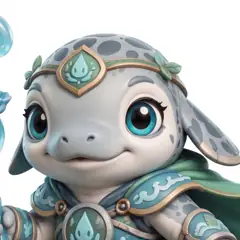
Illustrated portrait of VITA

The 80 cards of VITA, the vaquita

Territory: Upper Gulf of California.

At the table they come up one at a time and are read aloud. Here is the whole deck, to read at your own pace.

Read them in

“Available” does not always mean “reviewed by specialists”: we explain this in Behind every card.

On this page

Trivia · 20 cards

VITA Trivia

A question with three answers, at three levels of difficulty. Everyone thinks it through together.

TRI-VIT-01 · THE NAME IS MISLEADING

Beginner

The vaquita is…

  1. a small dolphin of murky waters
  2. a gray fish of very deep waters
  3. a porpoise: a marine mammal
See the answer

C. a porpoise: a marine mammal

It breathes air, nurses its young and is warm-blooded. It's related to dolphins and whales, but from another family: the porpoises.

Intermediate

How is a porpoise different from a dolphin?

  1. It has no beak and its teeth are flat, like little spades
  2. It lives in fresh water, and the dolphin only in salt water
  3. It's bigger and swims faster than a dolphin
See the answer

A. It has no beak and its teeth are flat, like little spades

Porpoises have round faces with no beak and spade-shaped teeth; a dolphin's are pointed cones. They're different families, like cats and dogs.

Advanced

Where does the vaquita's closest relative live?

  1. In the same gulf, just a little farther south
  2. In the Arctic, alongside the belugas
  3. In South America, across the equator
See the answer

C. In South America, across the equator

Its closest cousin is Burmeister's porpoise, from the coasts of Peru, Chile and Argentina. The vaquita's ancestors are thought to have crossed the equator long, long ago and stayed here.

★ They call me vaquita, "little cow." I don't graze or moo. But I do give milk: just ask my calf.

TRI-VIT-02 · MEASURING TAPE

Beginner

How long is an adult vaquita?

  1. Three meters, like one of the big dolphins
  2. A meter and a half, like a twelve-year-old
  3. Six meters, like a still-young orca
See the answer

B. A meter and a half, like a twelve-year-old

It's the smallest cetacean on the planet: it could lie down on a couch. It weighs between 30 and 55 kilos, the same as a big dog.

Intermediate

Among vaquitas, which one is bigger?

  1. The male, which grows almost twice as long
  2. Neither: they're exactly the same size
  3. The female, by about ten centimeters
See the answer

C. The female, by about ten centimeters

Females reach a meter and a half; males, 1.40. Males, however, have a taller dorsal fin. In many mammals it's the other way around.

Advanced

How long is a vaquita calf at birth?

  1. About 15 centimeters: it fits in your hand
  2. About 75 centimeters: half a mom
  3. About 130 centimeters: almost an adult
See the answer

B. About 75 centimeters: half a mom

It's born at about 75 centimeters and seven kilos: huge for such a small mother. It takes almost a year to develop.

★ I'm the smallest in my whole family of whales and dolphins. In murky water that helps: no one sees me coming.

TRI-VIT-03 · HOME ADDRESS

Beginner

In how many places on the planet does the vaquita live?

  1. In two: the Gulf of California and the Gulf of Mexico
  2. All over the Pacific, though it's only seen here now
  3. In just one: the Upper Gulf of California
See the answer

C. In just one: the Upper Gulf of California

There are no vaquitas in any other sea, and there never were. It's endemic: the entire species, since forever, fits in one corner of Mexico.

Intermediate

The vaquita's entire range is roughly the size of…

  1. the island of Cozumel, in the Mexican Caribbean
  2. the state of Tlaxcala, the smallest in the country
  3. the state of Sonora, the second largest
See the answer

B. the state of Tlaxcala, the smallest in the country

About 4,000 square kilometers: the smallest range of any whale, dolphin or porpoise. For her, the whole world; for us, a tiny state.

Advanced

Of that whole range, how much do the ones left use today?

  1. Barely one eighth
  2. Almost all of it, but widely scattered
  3. Half, hugging the coast
See the answer

A. Barely one eighth

Almost all recent records come from the protected zone and its edges: about 12% of the area they used in 2015. Some are already venturing outside, where there are no blocks.

★ My map was never big. Now it fits on a sheet folded three times.

TRI-VIT-04 · FIRST AND LAST NAME

Beginner

What do Upper Gulf fishers call the vaquita?

  1. Cochito
  2. Tonina
  3. Bufeo
See the answer

A. Cochito

"Cochito," a little sea piglet: round and gray. Tonina and bufeo are names given to dolphins in Mexico.

Intermediate

How did science learn that the vaquita existed?

  1. From some skulls found on the beach in the 1950s
  2. From drawings of vaquitas in ancient cave paintings
  3. From a live vaquita caught for an aquarium in 1920
See the answer

A. From some skulls found on the beach in the 1950s

The species was described in 1958 from skulls found in the sand. No one had studied a complete specimen: it was known first by its bones.

Advanced

After the skulls were found, how long did it take science to describe what it looked like?

  1. A few months
  2. Almost thirty years
  3. More than a century
See the answer

B. Almost thirty years

Only in 1985 were there fresh specimens to describe how it looked on the outside; it was published in 1987. Its famous "made-up" eyes have been known for only a short time.

★ First they found my bones. It took them thirty years to see my face. I'm in no hurry for them to see more of me.

TRI-VIT-05 · DISTINGUISHING MARKS

Beginner

What makes a vaquita's face unmistakable?

  1. A long, thin beak, just like a dolphin's
  2. Dark patches on eyes and lips, like makeup
  3. A white stripe on the forehead, like a headband
See the answer

B. Dark patches on eyes and lips, like makeup

It has a black ring around each eye and dark lips, as if painted. It looks like it's smiling. It isn't: that's just its face.

Intermediate

What might such a tall dorsal fin, for its size, be useful for?

  1. To cut through the waves and swim faster
  2. To scare off sharks when it shows it
  3. To give off heat in a very warm sea
See the answer

C. To give off heat in a very warm sea

The Upper Gulf goes above 30 °C in summer. That big fin is thought to work like a radiator, drawing heat out of the body. Most of its cousins prefer cold waters.

Advanced

What does a vaquita hide inside each pectoral fin?

  1. An air pocket to help it float
  2. Nothing but cartilage, like a shark
  3. Finger bones, like a hand
See the answer

C. Finger bones, like a hand

Like every cetacean, it descends from four-legged animals, and its flippers hold hand bones. Many vaquitas even have an extra finger.

★ I was born with dark circles under my eyes and a hand hidden in each flipper. Don't tell Pinza: he loves showing off his.

TRI-VIT-06 · IN THE DARK

Beginner

In water where you can't see a thing, how does the vaquita find its food?

  1. It sends out clicks and listens for the echo
  2. It smells fish from afar, like a shark
  3. It has huge eyes that see in the dark
See the answer

A. It sends out clicks and listens for the echo

It's called echolocation. Each click bounces off whatever is in front of it and comes back as an echo. With that, it builds a sound map of its world.

Intermediate

Could you hear a vaquita's clicks if you swam beside it?

  1. Yes: they sound like whistles, like a dolphin's
  2. No: they're too high-pitched for the human ear
  3. Yes, as a faint snap, if you're very close
See the answer

B. No: they're too high-pitched for the human ear

They're around 130,000 hertz; the human ear reaches, with luck, 20,000. To "hear" them, scientists use detectors and lower the pitch on the computer.

Advanced

What advantage do some scientists suggest for such high-pitched clicks?

  1. That orcas have a hard time hearing them
  2. That they travel farther underwater
  3. That they stun the fish before the bite
See the answer

A. That orcas have a hard time hearing them

It's a hypothesis, not a proven fact: orcas hear worse at those frequencies. Another idea: the sea is quieter there. What's certain is that very high pitches don't travel far.

★ I speak in a pitch almost no one can hear. It's helped me survive. It's also helped them forget me.

TRI-VIT-07 · TANGLED UP

Beginner

Why do vaquitas die in fishing nets?

  1. Because their meat sells for a lot at markets
  2. By accident: the nets are meant for other animals
  3. Because fishers consider them a pest
See the answer

B. By accident: the nets are meant for other animals

No one fishes for vaquitas on purpose: there's no market for them. They get caught in nets set for shrimp or totoaba. It's called bycatch, and it's their only known threat.

Intermediate

A vaquita tangled underwater is in danger because…

  1. it breathes air and can't go up to get it
  2. the net's threads cover up its gills
  3. its body gets cold if it stops moving
See the answer

A. it breathes air and can't go up to get it

It's a mammal: it has lungs, not gills, and comes up to breathe every few minutes. A net that holds it down, even without hurting it, takes away its air.

Advanced

What have scientists seen when studying porpoises near nets?

  1. That they can never detect them with their sonar
  2. That only the sick ones get tangled
  3. That they sometimes detect them and get tangled anyway
See the answer

C. That they sometimes detect them and get tangled anyway

In porpoises from other seas, some detected nets tens of meters away and others got tangled anyway: out of distraction, because of noise, or because the thread returns little echo from certain angles.

★ Everything with a body answers me back. A net answers faintly, and sometimes too late.

TRI-VIT-08 · THE NEIGHBOR

Beginner

The illegal nets most dangerous to the vaquita are set for which animal?

  1. For the totoaba, a huge fish
  2. For the shark, for its fins
  3. For the turtle, for its shell
See the answer

A. For the totoaba, a huge fish

Totoaba is fished in secret with large-mesh nets, exactly the size that traps a vaquita. The two share the same corner of the sea.

Intermediate

How big can the totoaba, the fish that shares the sea with the vaquita, get?

  1. Barely a hand span: like a big sardine
  2. Two meters and a hundred kilos: more than a vaquita
  3. Half a meter: like a medium-sized red snapper
See the answer

B. Two meters and a hundred kilos: more than a vaquita

It's one of the largest fish in its family, can live more than twenty years and, like the vaquita, exists only in the Gulf of California. Two rarities in the same corner.

Advanced

Since when has fishing for totoaba been banned?

  1. Since 2015: a decade ago
  2. Since 1975: half a century ago
  3. Since 2022: very recently
See the answer

B. Since 1975: half a century ago

The total ban dates from 1975. It's been forbidden for fifty years and is still being fished: a law alone doesn't change what someone, far away, is willing to pay.

★ The totoaba and I have been neighbors all our lives. Neither of us asked to be famous.

TRI-VIT-09 · FARAWAY MARKET

Beginner

What part of the totoaba sells for the price of a jewel?

  1. The scales, which shine like silver
  2. The roe, like a desert caviar
  3. The maw: the bladder it floats with
See the answer

C. The maw: the bladder it floats with

It's not the meat. It's the swim bladder, which is sold dried very far from here. On the black market, a kilo has fetched more than a used car.

Intermediate

What does the totoaba use its maw, the gas bag it carries inside, for?

  1. To store fresh water in a sea that's too salty
  2. To rise and sink effortlessly, like a float
  3. To store food, like a second stomach
See the answer

B. To rise and sink effortlessly, like a float

The swim bladder is a gas bag the fish adjusts to stay at the depth it wants. In its family, the croakers, it's also used to make sounds.

Advanced

Has totoaba maw been proven to cure diseases?

  1. Yes: it's proven to rejuvenate skin
  2. No: no study backs that up
  3. Only if eaten fresh, not dried
See the answer

B. No: no study backs that up

It's credited with powers for the skin and health, but there's no proof: it's almost pure protein, mostly collagen. Today it's bought more as a luxury gift and investment than as a remedy.

★ DEVORAX doesn't care about the fish. It cares that something is rare, expensive and hard to get.

TRI-VIT-10 · HOW MANY ARE LEFT?

Beginner

Is the vaquita already extinct?

  1. Yes: the last one died in 2020
  2. No: in 2025 some were seen alive, with a calf
  3. Yes: just a few are left, in aquariums
See the answer

B. No: in 2025 some were seen alive, with a calf

More than once a date was set for its extinction, and it's still here. In 2025, between seven and ten different vaquitas were seen, with at least one calf.

Intermediate

In 1997, how many vaquitas were there estimated to be?

  1. Around 570
  2. About 50,000
  3. Just 40
See the answer

A. Around 570

It was an estimate of the whole population, not a one-by-one count: about 567, with a wide margin. Today's figures are something else: how many different ones could be seen.

Advanced

In 2025, "between 7 and 10" vaquitas were seen. Why not an exact number?

  1. Because it's hard to know if you saw the same one twice
  2. Because the government prefers not to publish the real figure
  3. Because several vaquitas are born and die every week
See the answer

A. Because it's hard to know if you saw the same one twice

A group of experts reviews every sighting and every photo and works out how many different vaquitas were seen. There may be others no one saw. An honest range says more than an exact but made-up number.

★ SILENTIA doesn't need us to disappear. It's enough for everyone to believe it already happened.

TRI-VIT-11 · INHERITANCE

Beginner

Are vaquitas doomed to disappear because there are so few and they're related?

  1. Not necessarily: their genes still allow a recovery
  2. Yes: with so few, inbreeding has already sealed their fate
  3. Yes: with so few, they can never grow in number again
See the answer

A. Not necessarily: their genes still allow a recovery

Healthy-looking vaquitas and calves have been seen on survey cruises. Separately, genetic studies indicate the species can recover if deaths in nets stop. That doesn't guarantee it will.

Intermediate

Very few vaquitas are left. According to their DNA, why doesn't that doom them?

  1. Because many calves were born in recent years
  2. Because they have been few for a very long time
  3. Because males arrive every year from a distant sea
See the answer

B. Because they have been few for a very long time

For more than two hundred thousand years they numbered just a few thousand, and in that time they lost many very harmful variants. Not every small species is that lucky; the vaquita is.

Advanced

According to genetic models, what does the species need to recover?

  1. For them to be bred in a lab
  2. For porpoises to be brought from another sea
  3. For not one more to die in a net
See the answer

C. For not one more to die in a net

With zero deaths in nets, the models give a very likely recovery, not a certain one. With just a few a year, the chances collapse. Their biology is enough; the margin for error isn't.

★ I've been one of the few for more than two hundred thousand years. I know how to do that. What I don't know is how to be fewer.

TRI-VIT-12 · SLOW MATH

Beginner

How many calves does a vaquita have per birth?

  1. Just one
  2. Two or three
  3. Up to six
See the answer

A. Just one

One calf per birth. What varies is how often: sometimes two years go by, sometimes just one. Even so, the species grows slowly.

Intermediate

How long does a vaquita's pregnancy last?

  1. About three months
  2. Close to two years
  3. Almost eleven months
See the answer

C. Almost eleven months

Longer than a person's. The calf is usually born around spring and drinks its mother's milk for several months, less than a year.

Advanced

The same female was seen with a small calf in 2017 and with another in 2018. What does that show?

  1. That some can have calves in back-to-back years
  2. That they always have one calf a year, without fail
  3. That she adopted the calf another female lost
See the answer

A. That some can have calves in back-to-back years

The photos showed small calves two years in a row. They were thought to have one every two years; now we know the interval varies and is sometimes one year.

★ "I was my mom's only calf that year. She says one like me was plenty." —Nita

TRI-VIT-13 · VISITS

Beginner

In which aquarium or zoo can you see a vaquita?

  1. At the one in Veracruz
  2. At none in the world
  3. At one in San Diego
See the answer

B. At none in the world

No vaquita has ever lived in an aquarium. All that exist are in the Upper Gulf, free. The photos you've seen were taken at sea.

Intermediate

In 2017 there was an attempt to protect vaquitas in a sea refuge. What happened?

  1. They got so stressed that the plan was called off
  2. They adapted, but the money ran out to continue
  3. No one ever managed to find a single one at sea
See the answer

A. They got so stressed that the plan was called off

They caught two. The first became distressed and was released; the second died. Scientists stopped immediately: the vaquita can't tolerate captivity, not even to save it.

Advanced

Who helped locate vaquitas on that 2017 mission?

  1. Sniffer dogs aboard the boats
  2. A Mexican Navy submarine with sonar
  3. Dolphins trained by the U.S. Navy
See the answer

C. Dolphins trained by the U.S. Navy

Four female bottlenose dolphins, trained to find objects underwater, searched for their little cousins and alerted the team. Yes: dolphins looking for porpoises.

★ They wanted to keep us in to keep us safe. We never learned how to be kept. We belong here, or nowhere.

TRI-VIT-14 · BROWN WATER

Beginner

The water in the Upper Gulf is brown and murky. Why?

  1. Because of the mud and nutrients the tide stirs up
  2. Because of the sewage coming from coastal cities
  3. Because of the oil that big ships keep leaking
See the answer

A. Because of the mud and nutrients the tide stirs up

It isn't dirt: it's fine mud the tides lift from the bottom, much of it brought by the Colorado River. Murky water, here, means water full of food.

Intermediate

Which river formed, with its mud, the delta at the northern tip of the Gulf of California?

  1. The Rio Grande, the one on the northern border
  2. The Yaqui, the largest river in Sonora
  3. The Colorado, the one in the Grand Canyon
See the answer

C. The Colorado, the one in the Grand Canyon

It formed the delta, not the gulf: the gulf opened up through the movement of the earth. Today, dammed and divided up, the Colorado almost never reaches its own delta.

Advanced

How big can spring tides get in the Upper Gulf?

  1. About twenty centimeters: you can barely see them
  2. One meter, the same as almost all of the Pacific
  3. More than six meters: a two-story building
See the answer

C. More than six meters: a two-story building

They're the largest in the Gulf of California. In San Felipe the sea pulls back hundreds of meters and leaves the boats lying on the sand; hours later, it comes back.

★ My water isn't dirty. Dinner is served.

TRI-VIT-15 · VITA'S TABLE

Beginner

What does a vaquita eat?

  1. Algae and seagrass: hence "little cow"
  2. Plankton it filters, like whales do
  3. Fish, squid and shrimp from the bottom
See the answer

C. Fish, squid and shrimp from the bottom

It hunts small prey near the bottom and swallows them whole. "Vaquita" means little cow, but that's only the name: it doesn't graze.

Intermediate

Is the vaquita a picky eater?

  1. Yes: it only accepts Gulf blue shrimp
  2. Yes: it lives on young totoaba
  3. No: it eats fish of some twenty species
See the answer

C. No: it eats fish of some twenty species

It's a generalist: stomach studies found 17 to 20 species of fish, plus squid and crustaceans. As long as the sea is alive, it never runs short of food.

Advanced

Who hunts the vaquita in the wild?

  1. No one: it has no enemies
  2. Some large sharks
  3. Sea lions and large dolphins
See the answer

B. Some large sharks

Vaquita remains have been found in the stomachs of large sharks, though some may have been eaten when already caught in nets. There are no records for orcas. Its natural hunters never put it at risk.

★ I eat a bit of everything and don't steal anyone's shrimp. Ask any fisher: I've never emptied a net.

TRI-VIT-16 · UNDERWATER WORKS

Beginner

What did the Navy place on the seafloor to protect the vaquita?

  1. Concrete blocks with hooks
  2. A mesh fence around the whole area
  3. Speakers that scare boats away
See the answer

A. Concrete blocks with hooks

Hundreds of blocks spread across the bottom of the area where the last vaquitas live. The first 193 were placed in 2022.

Intermediate

How do the hooked blocks on the seafloor protect the vaquita?

  1. They form a wall that no boat can cross
  2. They snag nets: setting them there stops paying off
  3. They give it a cave to hide in at night
See the answer

B. They snag nets: setting them there stops paying off

They're made so a net snags and is lost, and a net costs a lot. The block doesn't patrol: it makes setting nets there bad business.

Advanced

With blocks and patrols, how much did small boats (pangas) inside the protected zone drop between 2023 and 2025?

  1. About 10 percent
  2. Not at all: they stayed the same
  3. More than 90 percent
See the answer

C. More than 90 percent

According to Sea Shepherd data cited in the 2025 survey cruise report, more than 90% over three seasons. The report doesn't separate how much is due to the blocks and how much to patrols.

★ "New rocks on my seafloor. With hooks. For once, something that falls from above falls on our side." —Pinza

TRI-VIT-17 · COUNTING THOSE WHO HIDE

Beginner

How do scientists "listen" to vaquitas?

  1. With radar that picks up their breathing from the ship
  2. With divers who follow them with a microphone
  3. With sound detectors anchored to the bottom
See the answer

C. With sound detectors anchored to the bottom

Dozens of detectors spend weeks underwater recording clicks. That's how we know where vaquitas have been, even if no one saw them.

Intermediate

How do scientists tell one vaquita from another?

  1. By a chip that is placed on them at birth
  2. By the color of their eyes, which keeps changing
  3. By the notches and marks on their dorsal fin
See the answer

C. By the notches and marks on their dorsal fin

It's called photo-identification. Each fin has its own nicks and scars, like a fingerprint. With good photos, a catalog of who's who is built.

Advanced

Why was the most famous vaquita named Frida?

  1. After Frida Kahlo; she's recognized by her bent fin
  2. After the ship Frida, the first one to photograph her
  3. After Frida the biologist, who discovered her ten years ago
See the answer

A. After Frida Kahlo; she's recognized by her bent fin

Her bent dorsal fin makes her unmistakable. She was seen with a calf in 2023 and again in 2025: she's the best-documented mother of her entire species.

★ They say they know me by my fin. I know them by their engine.

TRI-VIT-18 · THE TRADE

Beginner

Can shrimp be caught without nets that hang like a curtain?

  1. No: the curtain net is the only kind that exists
  2. Yes: there are nets and traps that don't tangle vaquitas
  3. Yes, but only by diving and taking them out by hand
See the answer

B. Yes: there are nets and traps that don't tangle vaquitas

There is fishing gear that doesn't hang in the water, like the suripera net or traps. It fishes differently and almost always catches less, but a vaquita can swim right past it.

Intermediate

If there are nets that are safer for the vaquita, why don't all fishers use them?

  1. Because the shrimp they catch tastes very different
  2. Because they catch less and no one pays the difference
  3. Because they only work in clear water
See the answer

B. Because they catch less and no one pays the difference

Switching nets costs money, learning and kilos of catch. If "safe" shrimp pays the same as the other kind, the fisher who switches loses. Price fishes too.

Advanced

For years, where did most of the Upper Gulf's shrimp go?

  1. To the United States
  2. To Mexico City
  3. To China and Japan
See the answer

A. To the United States

It crossed the border. Since 2018 that country hasn't accepted what's caught here with curtain nets, and in 2020 it widened the ban. What a distant buyer asks for decides which net goes into the water.

★ Between my sea and a plate there are many hands. Hardly any of them know I exist.

TRI-VIT-19 · MANNERS

Beginner

Do vaquitas jump and follow boats, like dolphins?

  1. Yes: that's why they're so easy to photograph
  2. No: they're shy and move away from engines
  3. Only calves, when they play beside their mother
See the answer

B. No: they're shy and move away from engines

No acrobatics. The vaquita avoids boats with their engines running and surfaces to breathe with a slow roll that barely breaks the water.

Intermediate

How do vaquitas usually travel through the sea?

  1. In pods of hundreds, like dolphins
  2. In families of twenty, led by a male
  3. Alone or in pairs, usually mother and calf
See the answer

C. Alone or in pairs, usually mother and calf

The only stable group is a mother with her calf. The rest are brief encounters. That's why seeing them is so hard, even for those who look for them.

Advanced

On the 2025 survey cruise, how long did many of the sightings last?

  1. About an hour
  2. Less than a minute
  3. A whole morning
See the answer

B. Less than a minute

Four in ten lasted less than a minute: a back, a fin, and gone. And that was with giant binoculars, from hundreds of meters away or more.

★ I don't jump, I don't wave, I don't put on a show. I'm still alive. I suspect the two are related.

TRI-VIT-20 · ALMOST ZERO

Beginner

Has any species recovered after falling to a few dozen animals?

  1. No: below a thousand animals there's no way back
  2. Only in zoos, never in the wild
  3. Yes: the northern elephant seal, for example
See the answer

C. Yes: the northern elephant seal, for example

It has happened more than once. The northern elephant seal was once thought extinct and today fills entire beaches in Mexico and California.

Intermediate

When they nearly went extinct, where did the last northern elephant seals survive?

  1. On Guadalupe Island, in Mexico
  2. In an aquarium in California
  3. On the icy coasts of Alaska
See the answer

A. On Guadalupe Island, in Mexico

In the late 19th century only a few dozen were left and they were believed extinct. The last ones took refuge on a Mexican island in the Pacific. Mexico protected them in 1922.

Advanced

How many northern elephant seals are there today?

  1. More than a hundred thousand
  2. About five hundred
  3. Around five thousand
See the answer

A. More than a hundred thousand

From a few dozen to more than a hundred thousand. The population breeding in the United States alone was estimated at about 195,000 in 2023. Once hunting stopped and their breeding sites were protected, they were able to recover.

★ "Can we be more again?" "It's still possible."

Pulse · 20 cards

VITA Pulse

News from the territory. Sometimes good, sometimes bad. It moves the score in favor of the Guardians or the Villains.

PUL-VIT-01 · THE WALL THAT DOESN'T ANSWER

VITA asks with clicks and almost everything answers: the rock, the fish, the seafloor. A nylon net sometimes answers late, or sideways. Her sonar doesn't always save her. And she breathes air: if the net won't let her rise, the whole sea becomes a ceiling.

At the table: Damage 2

PUL-VIT-02 · FRIDA AND THE CALF

Observers recognize her by her bent fin: they call her Frida. In 2023 she was swimming with a calf. In 2025 she showed up again, and beside her, once more, a smaller back. With so few left, a mother who does it again isn't an anecdote: she's the news.

At the table: Restore 2

PUL-VIT-03 · NOBODY IS LOOKING FOR HER

No net in the Alto Golfo is set to catch vaquitas. She isn't eaten, isn't sold, nobody wants her on board. She falls into nets meant for others: shrimp, sierra mackerel, totoaba. It's hard to defend yourself from something that isn't even looking for you.

At the table: Damage 1

PUL-VIT-04 · SIXTY-SIX EARS

In September 2025, acoustic detectors were installed at 66 sites in the Upper Gulf of California. Between September 2 and 28, they recorded 93 acoustic encounters with vaquitas at 24 of those sites. Listening also helps us find them.

At the table: Reserve +1

PUL-VIT-05 · THE RIVER THAT NEVER ARRIVES

The Colorado River carved the Grand Canyon and for millennia carried its silt down here: with it, it built the delta and this brown seafloor full of food. Today nearly all its water stays in dams, cities and farms in two countries. Most years, the river runs out before it touches the sea.

At the table: Reserve −1

PUL-VIT-06 · THE NET THAT SAILS

A fisherman tries the suripera: a net dragged slowly from a panga, riding the current or the wind. It gathers shrimp without hanging a curtain in the water. It catches less than a gillnet, but he can say how he caught it: for some buyers, that's worth something.

At the table: Restore 1

PUL-VIT-07 · MOONLESS NIGHT

The darkest nights are the busiest. A boat with no lights heads out, drops its net and returns before dawn. The net stays behind alone, working blind: it catches what it came for, and also whatever was just passing by.

At the table: Damage 1

PUL-VIT-08 · PLANTING CONCRETE

The Navy lowered hundreds of concrete blocks with steel hooks to the seafloor. They're made to snag any net someone tries to set there, and losing a net is costly. With blocks and patrols, between 2023 and 2025 the pangas inside the zone dropped by more than nine in ten.

At the table: Restore 2

PUL-VIT-09 · THE MAP SHRINKS

A few years ago, vaquitas could be heard across a sea the size of a small state. Today nearly all their clicks come from a corner a boat crosses in under an hour. When they all live in the same place, one bad night is enough to reach them all.

At the table: Damage 1

PUL-VIT-10 · MEASURING WITHOUT TOUCHING

A drone hovers still above two gray backs. It carries a laser that measures its own height, and that's enough to work out the size of what it sees. The mother: a meter and a half. The calf: 1.11 meters. Nobody touched them. From the sky, they knew how long it was.

At the table: Reserve +1

PUL-VIT-11 · ROUGH SEA

Counting vaquitas takes a sea as flat as a plate. With waves just over half a meter, four out of five pass the boat without anyone seeing them. This time the wind gave no break. And what can't be counted is harder to defend.

At the table: Reserve −1

PUL-VIT-12 · THE TIDE THAT FEEDS

Here, at spring tides, the sea rises and falls more than six meters. Twice a day the water stirs up the seafloor and turns it into broth. That's why it's murky, and that's why it's full of life. Where others see dirty water, VITA finds the table set.

At the table: Restore 1

PUL-VIT-13 · THE SEASON OPENS

Shrimp season begins and hundreds of pangas head out on the same day. They're families doing what they know how to do. But wherever gillnets are still set, even though they're no longer allowed, every kilometer of mesh is a kilometer of sea where a vaquita can no longer pass in peace.

At the table: Damage 1

PUL-VIT-14 · THE DNA HOLDS UP

With so few left, everyone expected the worst: weak calves born of close kin. Reading their genome, scientists found something else. The vaquita was always a species of few, and over time it shed many of its most harmful variants. Its genes don't doom it. What puts it at risk is out there.

At the table: Reserve +2

PUL-VIT-15 · "IT'S ALREADY EXTINCT"

The rumor travels faster than any boat: "The vaquita is already extinct." It isn't true, but almost everyone believes it. And what's given up for lost stops being searched for, counted and cared for. Sometimes forgetting arrives first, and opens the door to the rest.

At the table: Damage 1

PUL-VIT-16 · THOSE WHO KNOW THE WATER

Seventeen young people from San Felipe boarded the search vessel to learn to spot vaquitas with giant binoculars. No one reads that sea like someone who grew up in it: where it changes color, where it goes smooth. Now they use what they know to count what's left.

At the table: Restore 1

PUL-VIT-17 · A MOTHER'S TIME

A vaquita takes nearly a year to carry her calf and several more months to nurse it. She has one at a time, every one or two years if all goes well. A net takes minutes. That's why losses here aren't counted in animals: they're counted in years.

At the table: Damage 1

PUL-VIT-18 · CLOSED SEA, EMPTY KITCHEN

To protect the vaquita, fishing was closed in part of the Alto Golfo. The aid promised to fishers came late, came short, or stopped coming. In town there are beached pangas and unpaid bills. Protecting an animal while leaving a town on its own doesn't hold for long: the rope breaks where it's thinnest.

At the table: Damage 1

PUL-VIT-19 · THE BLADDER TRAVELS FAR

Nobody wants the totoaba for its meat: they want its buche, the swim bladder it uses to float. Dried, it fits in a suitcase and crosses an ocean to tables where it's given as a luxury. There, almost no one knows what other animal was left in the net it came from.

At the table: Damage 1

PUL-VIT-20 · STILL HERE

In 2024, observers saw between six and eight different vaquitas. In 2025, between seven and ten, with at least one calf. It's not enough to say there are more now: rough seas hide many. It's enough for something else. They've been written off for years, and there they still are.

At the table: Reserve +2

Encounter · 20 cards

VITA Encounters

A scene with someone who cares: a fisherwoman, a biologist, a neighbor. It almost always brings hope.

ENC-VIT-01 · THIRD IN HIS FAMILY

Don Chuy · fisherman · San Felipe beach

His grandfather fished totoaba when it was legal. His father, shrimp. He got the closed sea. He sands his beached panga though he doesn't know when it will go out again. "I never killed a vaquita," he says. "But the bill came to me."

"He didn't set that net either. And he got caught too."

At the table: Reserve +1

If protecting the vaquita costs Chuy his job, who should pay that bill?

ENC-VIT-02 · FOUR SECONDS

Mariana · observer · deck of the search vessel

For three hours she's been glued to binoculars the size of a child, staring at empty water. Suddenly, far off: a gray back, a fin, nothing. Four seconds. She shouts the bearing before she breathes. Four in ten sightings last under a minute.

"I surface, breathe and leave. I didn't know that was news."

At the table: Restore 1

How do you protect something you'll almost never see? Do you need to see it to care?

ENC-VIT-03 · HE USED TO CAST NETS

Rubén · fisherman and monitoring technician · panga off San Felipe

He knows every shoal in the Upper Gulf because he set nets there for twenty years. Today he goes to the same spots to leave something else: detectors that record the vaquita's clicks. "Same sea, same panga," he says. "Only what I come looking for has changed."

"Same seabed. New job." —Pinza, who knows a fellow tradesman when she sees one.

At the table: Reserve +1

What Rubén knew how to do was good for more than fishing. What can you do that could be used differently?

ENC-VIT-04 · LESS SHRIMP, SAME PRICE

Lupita · fisherwoman · Golfo de Santa Clara dock

She swapped her gillnet for one that doesn't tangle vaquitas. She lands less shrimp, and at the dock she's paid the same as everyone. The buyer can pay her more, or pay everyone the same and put the difference in the co-op fund.

"She did the hard part. Now to see if anyone notices."

  • A. Pays Lupita more Restore 2 · Reserve −1
  • B. Pays the same and adds to the fund Reserve +2 · Damage 1

Would you pay more for a shrimp that looks and tastes exactly the same? How would you know you weren't being fooled?

ENC-VIT-05 · WHERE DOES IT COME FROM?

Paola · cook · seafood restaurant in Mexico City

A customer asks where the shrimp in his cocktail comes from and how it was caught. Paola, twenty years in the kitchen, doesn't know. No one had ever asked her. That night she calls her supplier. He doesn't know either. He promises to find out.

"A question traveled from a table all the way to the sea. It took three calls."

At the table: Reserve +1

Is it worth asking if no one knows the answer? What if twenty customers ask tomorrow?

ENC-VIT-06 · CANELA'S NOSE

Officer Tomás and his dog Canela · K-9 team · port of San Felipe

Canela, a Labrador, spent four months learning a single smell: totoaba swim bladder. Today she paws at a cooler labeled "bait." Her reward is a ball. She knows nothing about vaquitas or prices: she just found what she was taught to find.

"We'll never meet. I still owe her one."

At the table: Restore 2

Canela gets paid with a ball. What would have to be worth more than the bladder so no one wanted to sell it?

ENC-VIT-07 · THE CONCRETE GARDENER

Corporal Ernesto · crane operator · Navy ship

He lowers another concrete block with steel hooks to the seafloor. He'll never see if it works: the water is brown and what it protects stays hidden. "It's like building a fence for a neighbor you've never met," he says, and calls for the next one.

"New rock. With hooks. I like it." —Pinza

At the table: Restore 1

Would you do a job well if you'd never see the result? Who does one like that for you without you knowing?

ENC-VIT-08 · LIFE-SIZE

Sofi · nine years old · her school wall in San Felipe

She lives closer to vaquitas than almost anyone on the planet and has never seen one. Today they're painting one on the wall, life-size, and Sofi stands beside it: the vaquita is barely bigger than she is. "I thought it was bigger," she says. "Like a whale."

"They painted us? Do I look good?" —Nita

At the table: Reserve +1

Sofi lives by the vaquita's sea and has never seen one. Whose is the vaquita: those who live nearby, or everyone's?

ENC-VIT-09 · WE CALLED IT COCHITO

Don Abel · retired fisherman · shade of a palapa

"When I was a kid, one came up in my dad's net. Cochito — little pig — we called it. We thought there were thousands, like everything." He goes quiet for a while. "Nobody told us it only lived here. You don't look after what you think there's plenty of."

"We didn't know we were so few, either."

At the table: Restore 1

Don Abel didn't know it was unique. Does the blame change when no one warned you? What do you think there's "plenty" of today?

ENC-VIT-10 · THE PANGA OR THE NET

Captain Renata · patrol boat · three in the morning

Radar shows an unlit panga moving away. Below, it left its net, where there shouldn't be any. There's only one boat. If it chases the panga, the net fishes all night. If it stays to haul it up, no one will know who set it.

"One less net tonight. Or one less boat every night."

  • A. They haul up the net Restore 2
  • B. They follow the panga Reserve +2 · Damage 1

What matters more: removing today's danger or finding out where it comes from?

ENC-VIT-11 · WHAT GOES IN THE HEADLINE?

Dr. Elena · marine biologist · press room

Tomorrow she announces the result: they saw between seven and ten different vaquitas, one of them a calf. If the headline says "we saw between seven and ten," many will give up. If it says "we saw a calf," others will think it's already fixed. Both sentences are true.

"We're few. And there's a little one. Say it all."

  • A. Leads with the number Reserve +1
  • B. Leads with the calf Restore 1

Two truths, two reactions. Can you frighten people, or raise their hopes, too much by saying only true things?

ENC-VIT-12 · THE SANCTUARY THAT NEVER WAS

Dr. Carmen · veterinarian · rescue camp, 2017

Scientists from nine countries tried to move vaquitas to a sanctuary, far from the nets. The first was so frightened they released her. The second didn't survive. That night, Carmen and the team must decide: try another way, or capture no more?

"We don't know how to live shut in. Not even to be saved."

  • A. They capture no more Restore 1
  • B. They try another way Reserve +2 · Damage 1

They tried to save her and hurt her. How far is it fair to risk one to protect them all?

ENC-VIT-13 · BEFORE THE RULES

Doña Inés · Cucapá fisherwoman · Colorado River delta

Her people fished curvina in the delta before the border and the word "ban" existed. Since 1993 it has been a reserve, and fishing requires a permit. "No one asked us if the river could stop reaching us," she says, without raising her voice.

"The river made us both. They took it from her too."

At the table: Reserve +1

Does a new rule weigh the same on someone who arrived yesterday as on someone who's been there for centuries? Who decides?

ENC-VIT-14 · THE ONE WHO SETS THE PRICE

Engineer Salgado · shrimp exporter · warehouse in Puerto Peñasco

Almost all his shrimp crossed the border; over there they no longer accept it if it comes from gillnets. He can buy only the safe-gear catch, scarce and pricey, and leave half the dock unsold, or buy it all and set some aside to replace nets.

"Whoever pays, rules. You can feel it all the way down here." —Pinza

  • A. Buys only the safe catch Restore 2 · Reserve −1
  • B. Buys it all and funds the switch Reserve +2 · Damage 1

Who has more power over the sea: the one who fishes, the one who buys or the one who eats?

ENC-VIT-15 · JUST ONE NIGHT

Kevin · seventeen · San Felipe boardwalk

An acquaintance offers him, for one night, what his dad earns in a month of legal fishing. He doesn't say which net they'll set; he doesn't need to. Kevin looks at the sea. "Let me think about it," he says, and walks home the long way.

"Some nets are set on land."

At the table: Restore 1

What would Kevin's town need for saying no to be easy?

ENC-VIT-16 · HE KNOWS THEM BY THEIR FINS

Tavo · photo-ID photographer · bow of a panga

He has one second to shoot before the back slips under. Later, on screen, he compares notches and scars: every fin is a fingerprint. "This is Frida, the one with the bent fin. This one… I don't know her." He smiles. It's the best photo of the year.

"Am I the stranger?" —Nita

At the table: Reserve +1

With so few left, each vaquita has its own story. Do you care more about an animal when you know who it is?

ENC-VIT-17 · "WHAT ABOUT THE VAQUITA?"

el Güero · tour boatman, former fisherman · San Felipe beach

He takes tourists to see birds, sea lions and the tide that leaves boats lying on the sand. There's always one who complains: "What about the vaquita?" He laughs. "If I could show you one, my friend, there'd be none left. Better leave without seeing her."

"Thanks for not coming to say hi."

At the table: Restore 1

Would you pay for a tour to see an animal you won't see? What would you take home instead?

ENC-VIT-18 · HER COUSIN

Inspector Yadira · fisheries inspection · San Felipe ramp, five in the morning

In the fourth panga, under a tarp, there's a banned net. It's her cousin's — the one who lent her money for her wedding. She can seize it and move on down the line, or seize it and lose the morning helping him replace it, with six pangas waiting.

"Six are watching. What she does to one, she did to all six." —Pinza

  • A. Seizes it and moves on Restore 2
  • B. Seizes it and helps him replace it Reserve +2 · Damage 1

Can you be fair and loyal at the same time? What would you do if it were your cousin?

ENC-VIT-19 · A GLASS OF SEA

Itzel · biology student · environmental DNA test on board

She runs Upper Gulf water through an ultra-fine filter. Left behind are invisible traces of skin carrying the DNA of whatever swam by. If vaquita DNA shows up, she'll know one passed without anyone seeing or hearing it.

"I leave a trace even when I don't want to. Too bad. Good thing."

At the table: Reserve +1

If you could tell who passed through a place with just a glass of water, which place would you check first?

ENC-VIT-20 · FARMED TOTOABA

Don Arturo · totoaba farmer · sea cages in Baja California Sur

He raises legal totoabas from the egg and releases thousands of juveniles into the sea. He can only sell the meat. He's asking permission to sell the swim bladder too: that way, he says, the illegal trade would stop paying. Others fear bladders fished in secret would pass as legal.

"Legal or not, the bladder is the same. So is the net."

  • A. Meat only Restore 1
  • B. Farmed bladder allowed Reserve +2 · Damage 1

Does selling something legally end the black market, or just hide it better?

Challenge · 20 cards

VITA Challenges

A real-life commitment. Each player answers “I already do it,” “I'll try it” or passes.

RET-VIT-01

At the seafood place I ask how the shrimp was caught; if nobody knows, I order something else.

  • “I already do it” Restore 2
  • “I'll try it” Reserve +1
  • “Pass” No effect

RET-VIT-02

I don't order dishes made from rare animals "just to try": no turtle, no iguana, no shark fin.

  • “I already do it” Restore 1
  • “I'll try it” Reserve +1
  • “Pass” No effect

RET-VIT-03

When my family buys fish, I help find out what species it is, where it comes from and how it was caught.

  • “I already do it” Restore 2
  • “I'll try it” Reserve +1
  • “Pass” No effect

RET-VIT-04

I cut plastic rings, handles and bands before throwing them out, so they don't tangle any animal.

  • “I already do it” Restore 1
  • “I'll try it” Reserve +1
  • “Pass” No effect

RET-VIT-05

Right now, I can name three animals that live only in Mexico.

  • “I already do it” Restore 1
  • “I'll try it” Reserve +1
  • “Pass” No effect

RET-VIT-06

This year I helped care for a place or an animal in my community, and I can tell what I did.

  • “I already do it” Restore 2
  • “I'll try it” Reserve +1
  • “Pass” No effect

RET-VIT-07

When someone says "that species is a lost cause," I tell them about one that did recover.

  • “I already do it” Restore 1
  • “I'll try it” Reserve +1
  • “Pass” No effect

RET-VIT-08

Before sharing animal news, I check what year it's from and who published it.

  • “I already do it” Restore 2
  • “I'll try it” Reserve +1
  • “Pass” No effect

RET-VIT-09

I know who to alert if I see a wild animal hurt or in trouble, and I can say it right now.

  • “I already do it” Restore 1
  • “I'll try it” Reserve +1
  • “Pass” No effect

RET-VIT-10

If I find a stranded sea animal, I don't touch it or put it back in the water: I report it and wait.

  • “I already do it” Restore 1
  • “I'll try it” Reserve +1
  • “Pass” No effect

RET-VIT-11

I know which river, dam or well the water from my tap comes from.

  • “I already do it” Restore 1
  • “I'll try it” Reserve +1
  • “Pass” No effect

RET-VIT-12

I watch sea animals from a distance: I don't chase them by boat, jet ski or drone.

  • “I already do it” Restore 1
  • “I'll try it” Reserve +1
  • “Pass” No effect

RET-VIT-13

Right now, in one minute, I can explain what the vaquita is and why so few are left.

  • “I already do it” Restore 1
  • “I'll try it” Reserve +1
  • “Pass” No effect

RET-VIT-14

When I can, I ask people who fish or sell fish what net they use, and I listen to their story.

  • “I already do it” Restore 2
  • “I'll try it” Reserve +1
  • “Pass” No effect

RET-VIT-15

When there's fish at home, I help use all of it: the head and backbone go into the broth.

  • “I already do it” Restore 2
  • “I'll try it” Reserve +1
  • “Pass” No effect

RET-VIT-16

Before ordering dogfish, stingray or "white fillet," I ask what fish it really is.

  • “I already do it” Restore 1
  • “I'll try it” Reserve +1
  • “Pass” No effect

RET-VIT-17

I keep a record of the animals I see, in a notebook or a citizen-science app.

  • “I already do it” Restore 2
  • “I'll try it” Reserve +1
  • “Pass” No effect

RET-VIT-18

At home I read the label on the tuna or sardine can and look for how and where it was caught.

  • “I already do it” Restore 2
  • “I'll try it” Reserve +1
  • “Pass” No effect

RET-VIT-19

When a fishing ban or closed zone gets in my way, I ask what it's for and respect it even if I'm not convinced.

  • “I already do it” Restore 2
  • “I'll try it” Reserve +1
  • “Pass” No effect

RET-VIT-20

Outdoors, I close my eyes for a minute and count how many different animals I can hear.

  • “I already do it” Restore 1
  • “I'll try it” Reserve +1
  • “Pass” No effect