La Fábrica
Inventiva
Join usES

FAUNA Guardianes / Cards / MELITA

The full deck · 79 cards

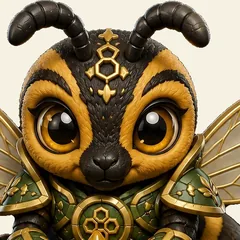
Illustrated portrait of MELITA

The 79 cards of MELITA, the Melipona bee

Territory: Network of flowers · stingless beekeeping.

At the table they come up one at a time and are read aloud. Here is the whole deck, to read at your own pace.

Read them in

“Available” does not always mean “reviewed by specialists”: we explain this in Behind every card.

On this page

Trivia · 19 cards

MELITA Trivia

A question with three answers, at three levels of difficulty. Everyone thinks it through together.

TRI-MEL-01 · THE BEE THAT DOESN'T STING

Beginner

What's special about the melipona bee?

  1. It has no working stinger and doesn't sting
  2. Its sting is one of the most painful in the wild
  3. It stings only once and then dies right away
See the answer

A. It has no working stinger and doesn't sting

Melipona bees have a reduced stinger: they don't sting.

Intermediate

If it doesn't sting, how does it defend its hive?

  1. By biting and swarming in numbers, without venom
  2. By oozing a repellent venom from its body
  3. By abandoning the nest at once and fleeing
See the answer

A. By biting and swarming in numbers, without venom

They defend by biting and in numbers; they use no venom.

Advanced

Why is it useful to know it doesn't sting?

  1. So you can approach carelessly, since they're harmless
  2. So you can take all their honey with no risk
  3. So their nests aren't destroyed out of needless fear
See the answer

C. So their nests aren't destroyed out of needless fear

Knowing they don't sting keeps nests from being destroyed out of fear; even so, they're handled with respect.

★ A bee that buzzes but doesn't sting.

TRI-MEL-02 · THE BEE FROM HERE

Beginner

Is the melipona bee from here, or did it come from elsewhere?

  1. From Europe; colonizers brought it over by ship
  2. From the Americas: native since long before the Conquest
  3. It was introduced recently to make more honey
See the answer

B. From the Americas: native since long before the Conquest

The melipona is native to the Americas; the common honeybee is the one that came from abroad.

Intermediate

How does it differ from the more common honeybee?

  1. The native bee is simply a younger version of the common honeybee
  2. The common one came from abroad and stings; the native one has no stinger
  3. They differ only in color; in every other way they're identical
See the answer

B. The common one came from abroad and stings; the native one has no stinger

They're different species: Apis (introduced, with a stinger) and melipona bees (native, stingless).

Advanced

Why does it matter to protect the native one, not just the foreign one?

  1. Because it gives far more honey than the European bee
  2. Because it does the same job, so it doesn't really matter which
  3. It pollinates native plants the foreign bee rarely visits
See the answer

C. It pollinates native plants the foreign bee rarely visits

Melipona bees pollinate native flora that Apis doesn't cover as well.

★ The one from here cares for the flowers from here.

TRI-MEL-03 · HONEY OF THE ELDERS

Beginner

How long have these bees been kept in the region?

  1. For centuries, in Maya stingless beekeeping
  2. For just a few decades, as a recent hobby
  3. Since European beekeeping arrived in the Americas
See the answer

A. For centuries, in Maya stingless beekeeping

Maya stingless beekeeping (Xunan Kab) is thousands of years old, older than European beekeeping.

Intermediate

Where are they traditionally kept?

  1. In movable-frame hives, just like the European bee
  2. In combs hung in the open, without a cavity
  3. In hollow logs called jobones, and also in boxes
See the answer

C. In hollow logs called jobones, and also in boxes

The traditional method uses jobones (log hives); boxes came later.

Advanced

What is lost if no young people learn to keep them?

  1. Just one more source of honey, easily replaced by another
  2. Nothing essential: the colonies fend for themselves in the wild
  3. An ancient knowledge, and the colonies that depend on that care
See the answer

C. An ancient knowledge, and the colonies that depend on that care

With no one to take over, the knowledge and the care that sustain the colonies are lost.

★ A whole heritage can fit inside a log of bees.

TRI-MEL-04 · THE INVISIBLE WORK

Beginner

What does the bee do as it goes from flower to flower?

  1. It moves pollen, which allows fruit and seeds
  2. It takes the nectar, and with it wilts the flower
  3. It spreads a dust that makes the plant grow faster
See the answer

A. It moves pollen, which allows fruit and seeds

By moving pollen between flowers, it allows fertilization and fruit.

Intermediate

Why does almost no one notice that work?

  1. Because it mostly happens underground, out of sight
  2. Because it's small, quiet, and free... until it's missing
  3. Because only a few rare plants depend on it
See the answer

B. Because it's small, quiet, and free... until it's missing

Pollination is quiet and everywhere; its absence is noticed too late.

Advanced

What happens to many crops if the pollinators are gone?

  1. They carry on: they all self-pollinate with no problem
  2. They bear far less fruit, or fruit of poorer quality
  3. They bear more fruit, since no one takes their nectar
See the answer

B. They bear far less fruit, or fruit of poorer quality

Many crops depend on pollinators; without them, fruit set drops.

★ Without that invisible work, there is no fruit.

TRI-MEL-05 · THE HONEY THAT HEALS

Beginner

How does the native bee's honey compare to the common one's?

  1. Thicker and more plentiful than the European bee's
  2. Practically identical to common bee honey
  3. Runnier and scarcer, and prized as a remedy
See the answer

C. Runnier and scarcer, and prized as a remedy

Melipona honey is runnier, scarcer, and used in traditional medicine.

Intermediate

Why is only a little harvested from each hive?

  1. Because its honey spoils if too much is taken at once
  2. Because they make little, and reserves must be left for them
  3. Because the law forbids harvesting more than a few grams
See the answer

B. Because they make little, and reserves must be left for them

They make little honey; a responsible harvest leaves reserves for the colony.

Advanced

Why does that honey cost more and merit protecting?

  1. Because a single hive yields enormous amounts of honey every year
  2. Because it's the easiest honey to produce on a large scale
  3. Because it's scarce, medicinal, and sustains a living tradition
See the answer

C. Because it's scarce, medicinal, and sustains a living tradition

Its value comes from its scarcity, its medicinal use, and its cultural bond.

★ Little honey, but the kind that heals.

TRI-MEL-06 · THE CALENDAR OF THE FLOWERS

Beginner

How does the bee know when to go out for flowers?

  1. By the bloom, which follows the cues of the climate
  2. By a fixed inner cycle, regardless of the weather
  3. Only when another bee returns and tells it at the nest
See the answer

A. By the bloom, which follows the cues of the climate

They go out according to flower availability, tied to the climate.

Intermediate

What happens if the climate shifts and flowers open off-schedule?

  1. The bee adjusts its cycle at once, all is well
  2. The flowers wait until the bee is ready to fly
  3. Bee and flower can miss each other in time
See the answer

C. Bee and flower can miss each other in time

If bloom and activity fall out of sync, the meeting is lost.

Advanced

Why is that mismatch dangerous for both?

  1. Only the flower loses; the bee simply finds food somewhere else
  2. Without meeting, the bee doesn't eat and the flower doesn't set fruit
  3. Only the bee loses; the flower just pollinates itself instead
See the answer

B. Without meeting, the bee doesn't eat and the flower doesn't set fruit

The mutualism breaks: both depend on the meeting.

★ If the flower comes early, the bee goes hungry.

TRI-MEL-07 · THE POISON IN THE FLOWER

Beginner

How can a crop pesticide harm bees?

  1. It only bothers them a little with its strong smell
  2. It acts only on the pest, never on the bee itself
  3. It lingers in the nectar and pollen of the flowers it visits
See the answer

C. It lingers in the nectar and pollen of the flowers it visits

Insecticides can remain in nectar and pollen and harm the bee.

Intermediate

Why doesn't the bee avoid it?

  1. Because it can't see or smell it in the flower
  2. Because the poison lures it with a sweet smell
  3. Because it detects it and neutralizes it in its body
See the answer

A. Because it can't see or smell it in the flower

They can't sense the toxin and carry it to the nest with their food.

Advanced

How can bees be protected without giving up farming?

  1. By spraying by day, while they're out visiting flowers
  2. By applying the poison more often to finish sooner
  3. By leaving pesticide-free strips and flowers for them
See the answer

C. By leaving pesticide-free strips and flowers for them

Flowering strips free of agrochemicals and careful spraying reduce the harm.

★ The poison in the flower reaches all the way to the hive.

TRI-MEL-09 · THE DEAL BETWEEN FLOWER AND BEE

Beginner

What does the bee gain by visiting a flower?

  1. A safe refuge to spend the night protected
  2. Nectar and pollen to eat and feed its young
  3. Clean water that the flower keeps for it
See the answer

B. Nectar and pollen to eat and feed its young

The flower offers it food: nectar and pollen.

Intermediate

And what does the flower gain in return?

  1. For its pollen to be carried to another flower so it can fruit
  2. For the bee to water it and keep it fresh through the day
  3. For the bee to defend it from other hungry insects
See the answer

A. For its pollen to be carried to another flower so it can fruit

The flower gets cross-pollination.

Advanced

What's the name for a relationship in which both win?

  1. Parasitism: one lives at the other's expense, giving nothing
  2. Predation: one feeds on the other and kills it
  3. Mutualism: mutual aid between two that need each other
See the answer

C. Mutualism: mutual aid between two that need each other

It's mutualism: both benefit.

★ A deal where flower and bee both win.

TRI-MEL-10 · NEITHER ALL NOR ALL AT ONCE

Beginner

When harvesting honey from a native nest, what's the right thing to do?

  1. Take all the honey and move the nest elsewhere
  2. Take a little honey and leave reserves for the hive
  3. Harvest it all now and start with another colony
See the answer

B. Take a little honey and leave reserves for the hive

Harvesting in measure leaves the colony reserves to stay alive.

Intermediate

What happens if the whole nest is plundered at once?

  1. It recovers and produces double the next year
  2. The hive is left without reserves and usually dies
  3. Nothing: they refill the honey within days
See the answer

B. The hive is left without reserves and usually dies

Without reserves, the colony can't survive lean times.

Advanced

Why does harvesting in measure give more in the long run?

  1. Because a full harvest yields more honey at once
  2. Because the honey comes out sweeter and thicker that way
  3. Because the hive lives and makes honey for years
See the answer

C. Because the hive lives and makes honey for years

A living colony, harvested with restraint, yields more over time.

★ From the bee: not everything, and not all at once.

TRI-MEL-11 · THE HEAT IN THE HIVE

Beginner

How does extreme heat affect the hive?

  1. It makes it more active and productive
  2. It stresses it and can harm the brood
  3. It's unaffected: it regulates its own heat
See the answer

B. It stresses it and can harm the brood

Extreme heat stresses the colony and harms the brood.

Intermediate

What do the bees do to cool the nest?

  1. They fan their wings to ventilate, spending energy
  2. They seal the nest shut so no heat can get in
  3. They all leave and wait outside for the heat to drop
See the answer

A. They fan their wings to ventilate, spending energy

They ventilate by fanning their wings and hauling water, at a cost in energy.

Advanced

Why does an ever-hotter climate put them in a bind?

  1. They spend on enduring heat the energy meant for finding flowers
  2. Because heat gives them more honey, but of worse flavor
  3. Because it forces them to fly farther and find more flowers
See the answer

A. They spend on enduring heat the energy meant for finding flowers

Heat stress diverts energy from foraging: less food.

★ A hive, too, can overheat.

TRI-MEL-12 · THE FRUIT THAT DEPENDS ON HER

Beginner

What do many fruits and seeds depend on to form?

  1. Only on the rainwater they receive during the rainy season
  2. Only on the fertilizer put in the soil when sowing
  3. On a pollinator carrying pollen from flower to flower
See the answer

C. On a pollinator carrying pollen from flower to flower

Without pollen transport, many plants bear no fruit.

Intermediate

If the bees vanish from an area, what's noticed first?

  1. Much larger and showier flowers appear
  2. The trees bear more fruit than ever
  3. Many trees bloom, but hardly set any fruit
See the answer

C. Many trees bloom, but hardly set any fruit

At first the bloom looks normal, but little fruit sets.

Advanced

Why is caring for bees also caring for people's food?

  1. A good part of what we eat needs pollinators
  2. Because bees make our food directly
  3. Because their honey is people's main food
See the answer

A. A good part of what we eat needs pollinators

Many crops depend on pollinators; hence their role in our food.

★ On the bee's hum the fruit depends.

TRI-MEL-13 · THE JOBON

Beginner

What is a 'jobon'?

  1. A clay vessel for storing and aging honey
  2. A hollow log where native bees are kept
  3. The wax comb the bees build inside
See the answer

B. A hollow log where native bees are kept

The jobon is the hollow log used as a traditional hive.

Intermediate

Why is the jobon more than just a log?

  1. It holds a way of keeping bees handed down over generations
  2. It's valued mostly for the fine, hard wood of the log
  3. It's a modern design that replaced the wooden boxes
See the answer

A. It holds a way of keeping bees handed down over generations

The jobon embodies knowledge and a cultural practice, not just wood.

Advanced

What is lost when a jobon is abandoned and no one carries on?

  1. Only an old container, easily replaced
  2. A colony and the know-how to care for it
  3. Nothing: the colony moves itself to another log
See the answer

B. A colony and the know-how to care for it

The managed colony and its associated knowledge are lost.

★ A hollow log can hold centuries.

TRI-MEL-14 · THE QUEEN AND HER PEOPLE

Beginner

Does the melipona bee live alone?

  1. No: it lives in a colony, with a queen and many workers
  2. It lives in pairs, one male and one female per nest
  3. It lives alone and gathers with others only to breed
See the answer

A. No: it lives in a colony, with a queen and many workers

They're eusocial: colonies with a queen, workers, and males.

Intermediate

What do the workers do?

  1. They only lay eggs; the queen handles everything else
  2. They forage, tend the brood, and defend the nest
  3. They only make honey; nothing else inside the nest
See the answer

B. They forage, tend the brood, and defend the nest

The workers do almost all the jobs; the queen lays the eggs.

Advanced

Why does the hive work like a single being?

  1. Because the queen gives the orders and all the others obey
  2. Each bee does its part, and together they sustain them all
  3. Because each bee acts on its own and survives alone
See the answer

B. Each bee does its part, and together they sustain them all

The colony works as a superorganism through coordination, not 'command'.

★ Many bees, a single home.

TRI-MEL-15 · FLOWERS FOR ALL

Beginner

What does a bee need to live near us?

  1. Flowers to feed on nearly all year round
  2. A single, very abundant bloom once a year
  3. A closed nest with no plants around
See the answer

A. Flowers to feed on nearly all year round

It needs flowers staggered through the year, not a single burst.

Intermediate

Why is a field of a single crop of little use to it?

  1. It blooms only briefly, then nothing
  2. Because that flower has no nectar at any time
  3. Because identical flowers confuse the bee
See the answer

A. It blooms only briefly, then nothing

A monoculture blooms for a short spell; the rest of the year there's no food.

Advanced

How can it be helped simply?

  1. By shutting the hive away to protect it from outside
  2. By planting a variety of flowers along edges and in yards
  3. By moving the hive to a brand-new spot every single week or so
See the answer

B. By planting a variety of flowers along edges and in yards

Planting varied, native flora gives steady food.

★ Many different flowers, bees all year long.

TRI-MEL-16 · THE NETWORK THAT CROSSES FENCES

Beginner

Does the bee respect fences and property lines?

  1. It only pollinates within the plot where its nest sits
  2. It follows the paths and boundaries people mark
  3. No: it flies flower to flower wherever there are any
See the answer

C. No: it flies flower to flower wherever there are any

It recognizes no human boundaries; it forages wherever there are flowers.

Intermediate

Why does that connect neighbors without their realizing?

  1. Because it marks a territory the neighbors respect
  2. Because it carries seeds from yard to yard on its legs
  3. It pollinates everyone's plants, yard by yard
See the answer

C. It pollinates everyone's plants, yard by yard

Foraging across plots, it pollinates several neighbors' crops.

Advanced

What does that mean for protecting it?

  1. That it's enough for whoever has the nest to protect it
  2. That it's best protected by all the neighbors together
  3. That each should shut their bees inside their own yard
See the answer

B. That it's best protected by all the neighbors together

Since the benefit is shared, the care should be too.

★ The bee sees no fences; it pollinates for everyone.

TRI-MEL-17 · ALL DEPEND

Beginner

Does the bee live apart from the plants?

  1. Yes: it feeds on sap it draws from the trunk
  2. No: it depends on the flowers, and the flowers on it
  3. Yes: it lives on dew and needs no flowers
See the answer

B. No: it depends on the flowers, and the flowers on it

Bee and flowers need one another.

Intermediate

What happens to the plants if their bees leave?

  1. Many stop setting seed and grow rare
  2. They multiply faster, saving their nectar
  3. They change color but produce the same
See the answer

A. Many stop setting seed and grow rare

Without a pollinator, dependent plants reproduce less.

Advanced

What does this teach about protecting a single species?

  1. That protecting the bee is enough to save the system
  2. That the web of flowers and bees must be cared for, not one piece
  3. That protecting the flowers is enough and the bee follows
See the answer

B. That the web of flowers and bees must be cared for, not one piece

Conservation demands the whole web, not a single element.

★ One falls, and the whole web wobbles.

TRI-MEL-18 · WHERE THERE ARE BEES

Beginner

What is usually found where there are many bees?

  1. Poor soil that gathers them all there
  2. Pests that they take advantage of
  3. Plenty of flowers and a healthy place
See the answer

C. Plenty of flowers and a healthy place

An abundance of bees usually signals diverse flora and a healthy setting.

Intermediate

Why is that good for people too?

  1. Because their presence raises the price of land
  2. Because they scare off other pesky insects from the garden
  3. Where there are pollinators there's more fruit and seed
See the answer

C. Where there are pollinators there's more fruit and seed

More pollination means more harvest for people.

Advanced

If a flowering place loses its bees, what should we understand?

  1. That the flowers stopped pleasing them and they'll return on their own
  2. That something harmed them (poison, heat, lost nests) and we must act
  3. That they simply moved somewhere else, and it doesn't mean anything
See the answer

B. That something harmed them (poison, heat, lost nests) and we must act

Their absence from a flowering site is an alarm worth investigating.

★ Where there are bees, there are flowers and fruit.

TRI-MEL-19 · PLANTING FOR THE BEES

Beginner

Can bees be helped in a simple way?

  1. Only by buying hives and costly equipment
  2. Yes: by planting flowers and avoiding poisons
  3. Only by staying away from them entirely
See the answer

B. Yes: by planting flowers and avoiding poisons

Simple actions (flowers and fewer agrochemicals) help a great deal.

Intermediate

What kind of flowers serves them best?

  1. Varied, native flowers that give nectar at different times
  2. Many identical flowers, all of the same species
  3. Very large, showy flowers, even if they give little nectar
See the answer

A. Varied, native flowers that give nectar at different times

Variety and native species ensure food throughout the year.

Advanced

Why is it better to act before they disappear?

  1. Restoring an area without bees costs far more
  2. Because once gone they return on their own before long
  3. Because it's only worth acting if there's money to spare
See the answer

A. Restoring an area without bees costs far more

Prevention is cheaper and more effective than restoring after the loss.

★ Planting flowers is feeding the one that feeds us.

TRI-MEL-20 · THE SWEET GUARDIAN

Beginner

What does the melipona bee give its land?

  1. Mainly wax for making candles and figures
  2. Mainly company, with no role in the fields
  3. Pollination, honey, and a living tradition
See the answer

C. Pollination, honey, and a living tradition

Its greatest gift is pollination; the honey and the culture come with it.

Intermediate

Why would losing it mean losing more than an insect?

  1. With it would go mostly the taste of the honey we eat
  2. With it would go a little wax and really nothing more than that
  3. With it would go fruit, remedies, and an ancient knowledge
See the answer

C. With it would go fruit, remedies, and an ancient knowledge

Its loss drags down pollination, traditional medicine, and culture.

Advanced

What depends, in the end, on so small a bee?

  1. A good part of the life of the forest and the milpa
  2. Almost nothing: it's too small to really matter
  3. Only the flavor of the honey that it produces
See the answer

A. A good part of the life of the forest and the milpa

Its pollination sustains wild flora and crops.

★ The smallest one holds up the largest.

Pulse · 20 cards

MELITA Pulse

News from the territory. Sometimes good, sometimes bad. It moves the score in favor of the Guardians or the Villains.

PUL-MEL-01 · THE POISON IN THE FLOWER

They spray the crop against pests and the fine cloud settles on the surrounding flowers too. The melipona bee comes to that flower as it does every day, looking for pollen. It doesn't see the poison; it carries it to the hive on its legs. There was no attack on the bees: it was enough to spray the flower where they feed.

At the table: Damage 1

PUL-MEL-02 · THE BEE FROM ABROAD

Hives of bees from other lands arrived, good for producing honey in quantity. They take the nectar from the same flowers, faster. The native stingless bee is left without food in its own home. The one that was always here is being pushed out by the one from abroad.

At the table: Damage 1

PUL-MEL-03 · THE FLOWER OUT OF TIME

The bee and the flower have lived together for thousands of years: it blooms, and the bee is ready. But the climate behaves differently now and the flower opens too early or too late. When the bee goes out to find it, it's already gone, or hasn't yet come. Two that always met begin to miss each other.

At the table: Reserve −1

PUL-MEL-04 · THE LOG HIVE THAT CAME BACK TO LIFE

The hollow log had sat empty for years. A stingless beekeeper moves in a colony rescued from a fallen tree. Within weeks, the entrance hums again: the log hive has its owners back.

At the table: Reserve +2

PUL-MEL-05 · THE FIELD WITHOUT FLOWERS

They planted in neat rows, right to the edge, one single crop and nothing else. The flowering weeds along the borders and the flowering trees of the forest are gone. The bee flies and flies over a green without a single flower. A field can be full of plants and, for her, completely empty.

At the table: Damage 1

PUL-MEL-06 · THE HIVE THAT STAYED

Someone finds a hive of native bees and, before knocking it down, asks. They explain that they don't sting and are worth gold to the forest. He leaves it where it is and even sets up a little board for shade.

At the table: Restore 1

PUL-MEL-07 · THE HONEY TORN OUT

They find a wild nest full of honey and rip it open to take it all. They carry off every last drop and destroy the hive in the process. The bee is left without a home and without reserves. For one jar of honey today, the honey it would have given for years is gone.

At the table: Damage 1

PUL-MEL-08 · THE GRANDSON WHO LEFT

The grandfather can read his bees: when to divide, when to harvest, which flower is coming. He wanted to teach his grandson, but the boy went far away to look for work. Generations of knowledge don't fit in a phone message. When the grandfather is gone, what no one got the chance to learn will go with him.

At the table: Damage 1

PUL-MEL-09 · THE LONG DROUGHT

It doesn't rain like before and the dry season drags on. The flowers wilt before giving nectar; the forest turns yellow. The hive spends what it had stored and nothing new comes in. The bees hold out a while, but a house with no pantry and no flowers outside doesn't last forever.

At the table: Damage 1

PUL-MEL-10 · THE FLOWERING FOREST FELLED

They cut down the strip of trees that bloomed every year and fed the bees of the whole district. The ones who cut it didn't even know the village's hives lived on those flowers. They took the timber and, without meaning to, the pantry of the bees of several backyards.

At the table: Reserve −1

PUL-MEL-11 · THE WORK YOU CAN SEE

At the village fair they set up a table: fruit, seeds, and a jar of honey, all thanks to the bees. People are surprised at how much of their food first passed through a flower and a bee.

At the table: Restore 1

PUL-MEL-12 · THE HEAT IN THE HIVE

The heat bears down like never before. Inside the log hive, the bees fan their wings nonstop to cool the brood, but the sultriness won't let up. They spend on enduring the heat the strength they would use to find flowers. A hive can die of heat even while there's still something to eat outside.

At the table: Reserve −1

PUL-MEL-13 · THE FRUIT THAT DOESN'T SET

In the orchard, the trees bloom beautifully but afterward bear almost no fruit. No one was there to carry the pollen from flower to flower. Without the bees, the flower opens, dries, and falls without setting. The tree did its part; it lacked the bee that does the part no one sees.

At the table: Damage 1

PUL-MEL-14 · THE LAST LOG HIVE

In the village there was only one stingless beekeeper left with his logs of native bees, the last living line of centuries of keeping. The old man dies and no one carries on. With that hive goes out not just a swarm, but the thread that tied the people here to the bee that was always theirs.

At the table: Damage 1

PUL-MEL-15 · GRANDMOTHER'S MELIPONARY

In grandmother's backyard there's a row of logs and boxes with native bees, humming steadily. She talks to them, knows them, knows when to give them shade. From there comes the cough honey for the whole village. A small corner keeps alive the bees and the knowledge of tending them.

At the table: Reserve +2

PUL-MEL-16 · THE FLOWER THAT RETURNED

On the edges they used to scrape bare, they now let the flowering weeds grow and planted a few flowering trees. Within a season the native bees came back, humming among the new flowers. It didn't cost much: it was enough to give the bee something to eat for it to return on its own.

At the table: Restore 1

PUL-MEL-17 · THE PACT WITHOUT POISON

The ejido members agreed not to spray near the meliponary and to leave flowering strips between the plots. At first they doubted it would work. A couple of seasons later, the hives are strong and, along the way, the orchard bears more fruit. Caring for the bee turned out to be better business than poisoning the field.

At the table: Restore 2

PUL-MEL-18 · FOREST HONEY

The native bee's honey is scarce but rare: runnier, a little tart, good for coughs. Grandmother harvests just a bit from each hive and leaves the rest to the bees. That way there's honey every year without wiping out the nest. A little, well tended, never runs out.

At the table: Reserve +1

PUL-MEL-19 · THE ABUNDANT FRUIT

The farmer who let his edges flower and cared for the bees sees his orchard loaded with fruit like never before. He bought nothing and sprayed no more. He only let those who work unseen do their work. The extra fruit was put there by workers who never send a bill.

At the table: Restore 2

PUL-MEL-20 · THE GRANDSON WHO LEARNED

The boy who was going to leave stayed a while with his grandfather, learning to read the bees: when to divide, when to harvest. Now he has his own logs and teaches others. The knowledge that was nearly lost found, at the last moment, someone to carry it forward.

At the table: Reserve +1

Encounter · 20 cards

MELITA Encounters

A scene with someone who cares: a fisherwoman, a biologist, a neighbor. It almost always brings hope.

ENC-MEL-01 · THE ONE WHO READS THE BEES

Don Tino · stingless beekeeper · village backyard

These bees don't sting; they're the old kind, the natives. I keep them in logs like my grandfather did. Each one tells me, with its buzz, whether it's content or short of flowers. It's a matter of knowing how to listen.

You know the mood of the ones from home.

At the table: Reserve +1

And the one who prefers the foreign bee for more honey, is he wrong? What is each one after?

ENC-MEL-02 · THE HONEY GRANDMOTHER

Doña Amanda · bee keeper · backyard with log hives

With this honey I cure the village's coughs. I harvest just a little from each log and leave the rest to them. That way there's some every year. Grandmother used to say: from the bee, not everything, and not all at once.

What's tended without stripping never runs out.

At the table: Reserve +1

And someone who needs to sell a lot of honey to live, can they afford to harvest just a little?

ENC-MEL-03 · THE GRATEFUL MILPA FARMER

Don Chente · milpa farmer · edge of the milpa

I let the flowers grow along the edges and I don't spray nearby. You know what? My milpa sets fruit better. The native bees pollinate for me for free. I used to chase them off; now I look after them, because they fill my basket.

Sometimes the one you see least is the one who helps most.

At the table: Restore 1

It paid off better for Don Chente. Why don't others try it: fear of losing, or not knowing?

ENC-MEL-04 · THE ONE WHO STUDIES THE NATIVES

Sofía, biologist · researcher · reserve station

People know the foreign honeybee, but here there are many native bees, each with its own flower. Without them, several forest plants wouldn't set seed. I look after the ones almost no one looks at.

Diversity, too, rests on the small.

At the table: Reserve +1

To someone who thinks 'a bee is a bee', why would it matter which? How do you show them?

ENC-MEL-05 · THE ONE WHO STOPPED SPRAYING

Rigo · farmer · floodplain plot

I sprayed everything and my hives kept dying and I didn't know why. A neighbor explained it. I left strips without poison. The bees came back and the harvest went up. The poison was costing me more than I thought.

Sometimes what's over-protected is also impoverished.

At the table: Restore 1

What made Rigo spray everything? Did he have to lose his hives to understand?

ENC-MEL-06 · THE APPRENTICE

Tavo · boy apprentice · village meliponary

Don Tino lets me get close to the logs. They don't sting, see? He taught me to tell which hive is strong. When I grow up I want to have my own. It's like looking after a treasure that buzzes.

What's learned as a child is inherited as an adult.

At the table: Restore 1

And the child who was taught to fear and kill bees? Who does each one learn from?

ENC-MEL-07 · THE HONEY THAT HEALS

Doña Lupe · healer · village home

Native bee honey isn't like the other kind: it's a bit tart, but excellent for coughs. I've always used it. If those bees die out, a local remedy dies out with them.

With the bee would go its medicine too.

At the table: Reserve +1

Someone who doesn't know its value and swaps it for cheap sugar, do they lose something, or do they not care?

ENC-MEL-08 · THE BEEKEEPER WHO LEARNED

Genaro · beekeeper · hive ranch

I keep the big bees, the foreign kind, to sell honey. But I learned not to set them on top of the natives or take their flowers. There's room for both if you leave the local ones their space.

There's room for all if no one tramples the others.

At the table: Reserve +1

Genaro lives off the foreign bee. Is he 'the bad guy' for that, or is he seeking a balance?

ENC-MEL-09 · THE ONE WHO TORE OUT HONEY

Chico · once raided nests, now guards them · village forest

I used to find a nest and smash it for the honey; I took it all. They ran out on me. An old man taught me to harvest a little without killing the hive. Now I have honey every year. I learned that stripping means ending up with nothing.

Whoever strips it bare will not harvest again.

At the table: Restore 1

Chico's nests ran out. Did he change out of conviction or because there were none left? Does it matter?

ENC-MEL-10 · THE ONE WHO SHARES OUT HIVES

Chú · meliponary promoter · the district road

I go from backyard to backyard helping set up logs and teaching how to care for them. I split a strong hive and another family gets a meliponary. That's how the local bee reaches more yards and isn't lost.

Sharing what's good makes it grow.

At the table: Restore 1

And the neighbor who doesn't want bees nearby for fear of stings? How do you reach him?

ENC-MEL-11 · THE FOREST-HONEY SELLER

Yamileth · vendor · village market

I sell native bee honey, the real thing, not watered down. I tell where it comes from and why it's pricey: there's little of it and it's medicine. Whoever tastes it looks after it, because they know what every drop costs.

What you know how to value, you protect.

At the table: Reserve +1

The customer who finds it 'expensive', do they understand why, or just compare it to the supermarket's?

ENC-MEL-12 · THE ONE WHO THOUGHT THEY STUNG

Rubén · neighbor · village backyard

I wanted to knock the nest out of the tree, sure they'd sting me. Don Tino showed me they have no stinger. I was embarrassed by my fright. Now I look after them; I feared them out of not knowing.

I nearly destroyed, out of fear, what was harmless.

At the table: Restore 1

Rubén was sure they stung. How much harm is born of not knowing?

ENC-MEL-13 · THE AGRONOMIST'S SPRAYING

Engineer Sosa · agronomist · floodplain plots

Spraying everything saves the crop fast and cheap; that's what the one who planted lives on. Leaving flowering strips protects the bees, but it's more work and a bit less yield. Both of them want to eat.

Poison takes them all alike.

  • A. Spray it all (saves the crop) Reserve +1 · Damage 1
  • B. Flowering strips Restore 1 · Reserve −1

Why does the one who sprays, spray? How do you protect the crop and the bees at the same time?

ENC-MEL-14 · THE EJIDO ASSEMBLY

Commissioner Onésimo · ejido authority · village assembly

Opening the flowering strip to crops gives families a plot and food today. Keeping it sustains the bees and tomorrow's fruit, but without that new land. No one here is the bad guy: everyone has mouths to feed.

No flowers, no bees; and no bees, no fruit.

  • A. Open to crops (a plot and food today) Reserve +2 · Damage 1
  • B. Keep the flowering forest Restore 2 · Reserve −1

Land to plant today, or bees to harvest tomorrow? Is there a way to have both?

ENC-MEL-15 · THE TEACHER AND THE LOGS

Teacher Rocío · primary school · the district village

I take the class to Don Tino's meliponary. Let them see they don't sting. Let them know this bee is from here, from their great-grandparents. You don't protect what you believe is dangerous.

What you know as a child, you protect as an adult.

At the table: Reserve +1

And the adults who already fear bees? Who takes them to see they don't sting?

ENC-MEL-16 · THE MELIPONARY KEEPER

Tacho · tends the community meliponary · village garden

I tend everyone's logs: I give them shade, check on them, raise the alarm if a pest gets in. It isn't much, but if no one watches them, they're lost. A meliponary with no one to tend it lasts as long as the neglect.

Even what buzzes on its own needs someone to watch over it.

At the table: Restore 1

Tacho tends everyone's logs. Is it fair for one person to carry what benefits all?

ENC-MEL-17 · THE ONE WHO PLANTS FLOWERS

Rosa · flower planter · village edges

I plant flowers on the edges, in yards and on median strips, the kind bees like. It isn't decoration: it's their food. Where there was only grass before, now there's buzzing. Planting flowers is setting the table for the ones that give us fruit.

Planting flowers is setting the table for those who feed us.

At the table: Reserve +1

To someone who sees flowers as decoration or clutter, why would they leave a corner unweeded?

ENC-MEL-18 · THE REPORTER AND THE FAKE HONEY

Emilio · local reporter · village office

I found out they're selling honey cut with sugar as native bee honey. They cheat the one who pays dearly and hurt the one who makes the real thing. I have proof and I'm going to publish it. The truth also protects those who do good work.

What's exposed stops deceiving.

At the table: Restore 1

And the small producer who cuts honey with sugar so as not to sell it dear? As guilty as the big brand?

ENC-MEL-19 · COFFEE WITH FOREST HONEY

Damián · café owner · the district village

I sweeten with native bee honey and tell its story to the customers. It sells better with roots. Buying this honey keeps the grandmothers' logs alive, and the bees that pollinate the forest.

A whole trade fits in one spoonful.

At the table: Reserve +1

Damián sweetens 'with a story' and sells better. Does caring because it pays count as much as caring out of conviction?

ENC-MEL-20 · EVERYONE'S MELIPONARY

The Zumbido collective · neighbors · community garden

We gathered rescued logs and built a village meliponary. One Sunday a month we tend it together and plant flowers around it. We don't save all the bees; we care for ours. Another district cares for theirs.

Among many, even a swarm finds a home.

At the table: Restore 1

A village meliponary, tended by all. Does the communal hold up when it stops suiting someone?
Challenge · 20 cards

MELITA Challenges

A real-life commitment. Each player answers “I already do it,” “I'll try it” or passes.

RET-MEL-01

I have at least one flowering plant for bees on my windowsill, in my yard, or on my plot.

  • “I already do it” Restore 1
  • “I'll try it” Reserve +1
  • “Pass” No effect

RET-MEL-02

I don't use spray insecticide on bees or wasps; I call someone to relocate them.

  • “I already do it” Restore 2
  • “I'll try it” Reserve +1
  • “Pass” No effect

RET-MEL-03

When a bee gets into the house, I let it out instead of killing it.

  • “I already do it” Restore 1
  • “I'll try it” Reserve +1
  • “Pass” No effect

RET-MEL-04

I buy honey from a local producer, not the industrial kind cut with sugar.

  • “I already do it” Restore 2
  • “I'll try it” Reserve +1
  • “Pass” No effect

RET-MEL-05

I leave a corner of my garden unmown, with wildflowers.

  • “I already do it” Restore 1
  • “I'll try it” Reserve +1
  • “Pass” No effect

RET-MEL-06

I don't spray my garden or my plot with broad-spectrum poisons.

  • “I already do it” Restore 2
  • “I'll try it” Reserve +1
  • “Pass” No effect

RET-MEL-07

I plant flowers that bloom at different times so there's always something to feed them.

  • “I already do it” Restore 2
  • “I'll try it” Reserve +1
  • “Pass” No effect

RET-MEL-08

When someone is afraid of a native bee, I explain that it doesn't sting.

  • “I already do it” Restore 1
  • “I'll try it” Reserve +1
  • “Pass” No effect

RET-MEL-09

I've planted a shrub or tree that flowers for pollinators.

  • “I already do it” Restore 2
  • “I'll try it” Reserve +1
  • “Pass” No effect

RET-MEL-10

At least one day a week I don't eat meat.

  • “I already do it” Restore 2
  • “I'll try it” Reserve +1
  • “Pass” No effect

RET-MEL-11

I grow some herb or vegetable at home, even if only in a pot.

  • “I already do it” Restore 2
  • “I'll try it” Reserve +1
  • “Pass” No effect

RET-MEL-12

I plan the week's meals so I don't throw food away.

  • “I already do it” Restore 2
  • “I'll try it” Reserve +1
  • “Pass” No effect

RET-MEL-13

I use the leftovers the next day instead of throwing them out.

  • “I already do it” Restore 1
  • “I'll try it” Reserve +1
  • “Pass” No effect

RET-MEL-14

I buy grains and seeds in bulk, bringing my own jars.

  • “I already do it” Restore 2
  • “I'll try it” Reserve +1
  • “Pass” No effect

RET-MEL-15

I use LED bulbs throughout the house.

  • “I already do it” Restore 1
  • “I'll try it” Reserve +1
  • “Pass” No effect

RET-MEL-16

I dry clothes in the sun instead of using a dryer.

  • “I already do it” Restore 1
  • “I'll try it” Reserve +1
  • “Pass” No effect

RET-MEL-17

I buy secondhand when I can, before buying new.

  • “I already do it” Restore 2
  • “I'll try it” Reserve +1
  • “Pass” No effect

RET-MEL-18

I cancel printed advertising and ask for my bills in digital form.

  • “I already do it” Restore 1
  • “I'll try it” Reserve +1
  • “Pass” No effect

RET-MEL-19

I use rechargeable batteries instead of disposables.

  • “I already do it” Restore 1
  • “I'll try it” Reserve +1
  • “Pass” No effect

RET-MEL-20

I give away or donate what I no longer use instead of throwing it out.

  • “I already do it” Restore 1
  • “I'll try it” Reserve +1
  • “Pass” No effect